Stevenia deceptoria
(Loew, 1847)
Grizzled Woodlouse-fly
Stevenia deceptoria is a fly in the Rhinophoridae, originally described from the Palaearctic region and recently recorded in North America for the first time. Like other rhinophorids, it parasitizes terrestrial woodlice (Isopoda: Oniscoidea). The is known as the Grizzled -fly in vernacular usage.
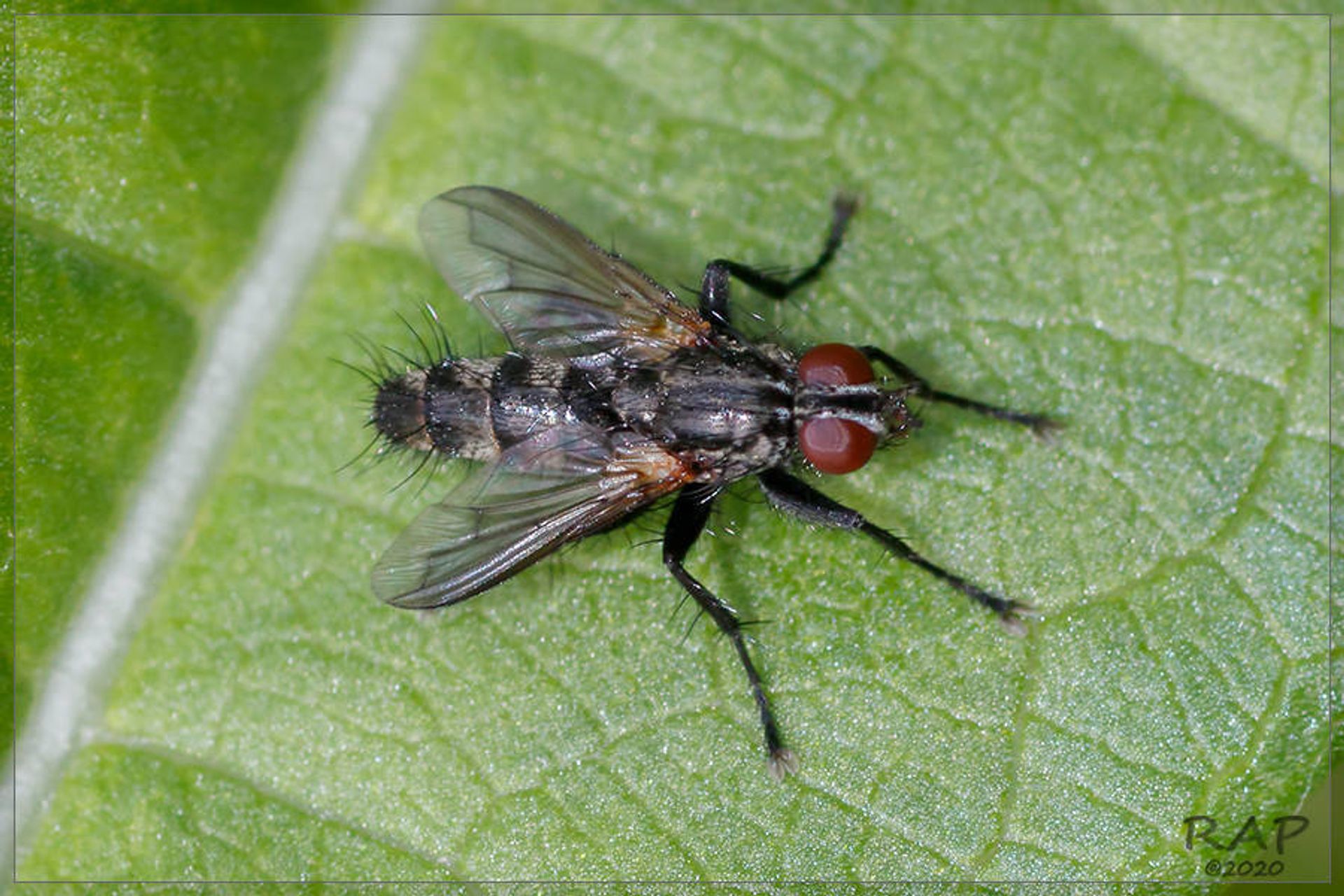
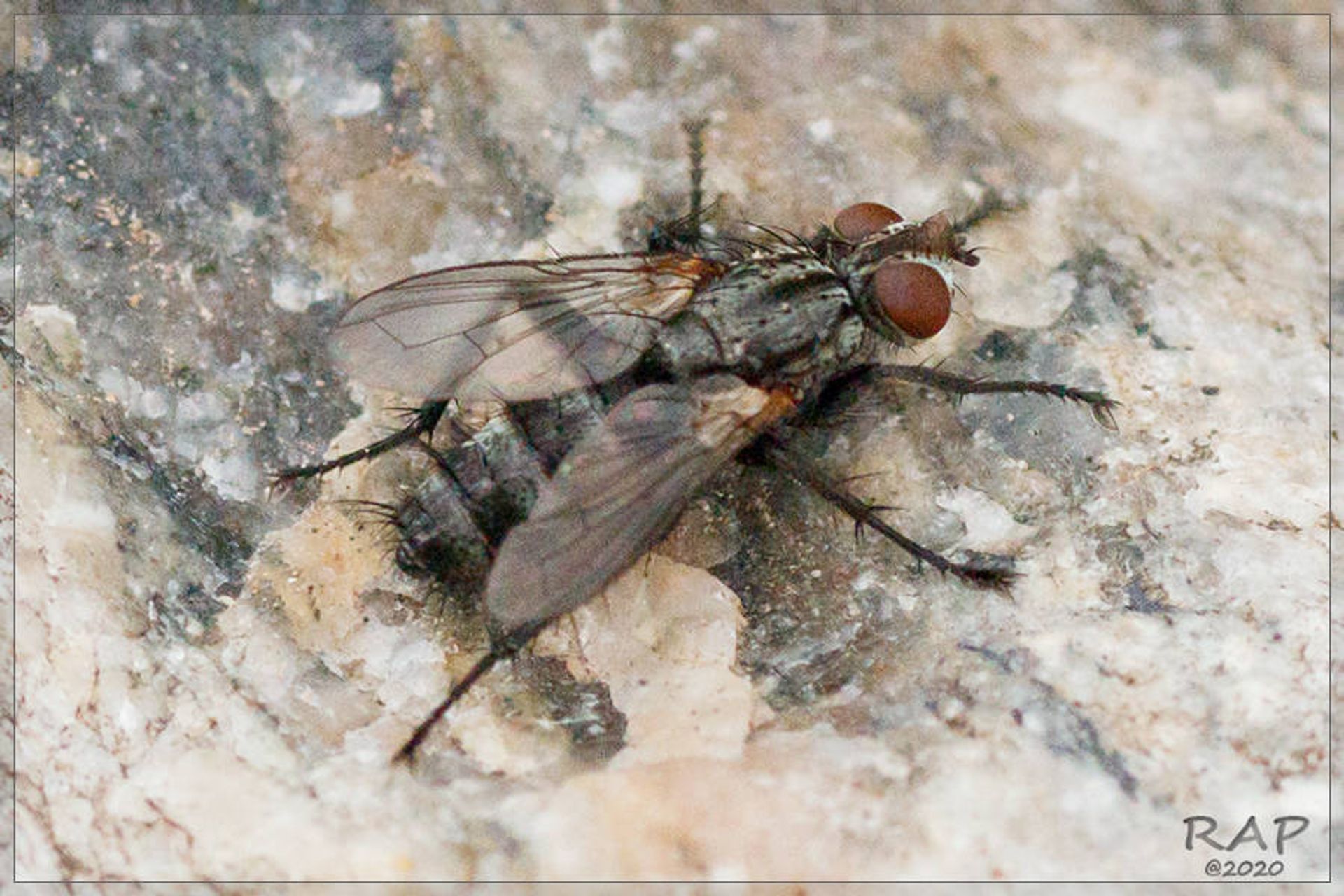
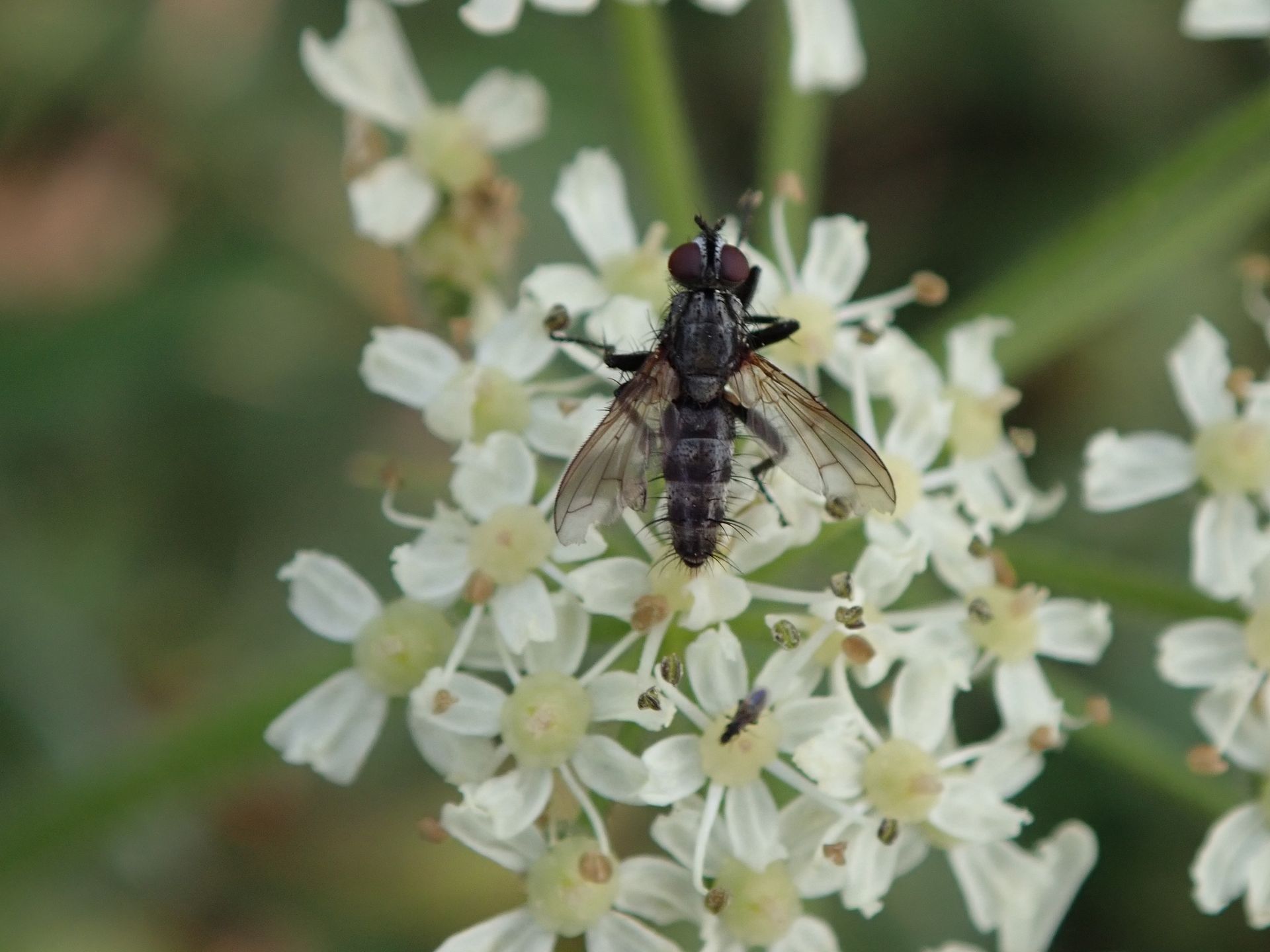
Pronunciation
How to pronounce Stevenia deceptoria: //ˈstiː.vəni.ə dɛkˈsɛp.tɔːri.ə//
These audio files are automatically generated. While they are not always 100% accurate, they are a good starting point.
Images
Distribution
Originally Palaearctic; first North American record documented in 2015. GBIF records indicate presence in Belgium. The has a distribution pattern typical of the .
Host Associations
- terrestrial woodlice (Isopoda: Oniscoidea) - All known Rhinophoridae are of terrestrial woodlice; this association is inferred for S. deceptoria based on -level
Life Cycle
Females lay in the vicinity of potential . First instar larvae are planidial (mobile and free-living) and actively parasitize woodlice as they pass by. Subsequent development occurs within the host.
Ecological Role
of terrestrial woodlice, potentially contributing to of isopod decomposers in soil and leaf litter .
Similar Taxa
- Other RhinophoridaeRhinophoridae are morphologically similar to Calliphoridae and Sarcophagidae; accurate identification requires examination of specific characters including wing venation and male terminalia. Stevenia deceptoria specifically may be distinguished from by detailed morphological study.
More Details
Taxonomic note
The placement of Stevenia has been contentious. GBIF and Catalogue of Life list the in Calliphoridae, while NCBI, iNaturalist, and recent taxonomic treatments place it in Rhinophoridae. The 2015 Zootaxa paper explicitly treats S. deceptoria as a rhinophorid.
Data limitations
-specific biological data for S. deceptoria are sparse. Most ecological and information presented here derives from -level studies of Rhinophoridae and may not reflect particular adaptations of this species.