Stevenia
Species Guides
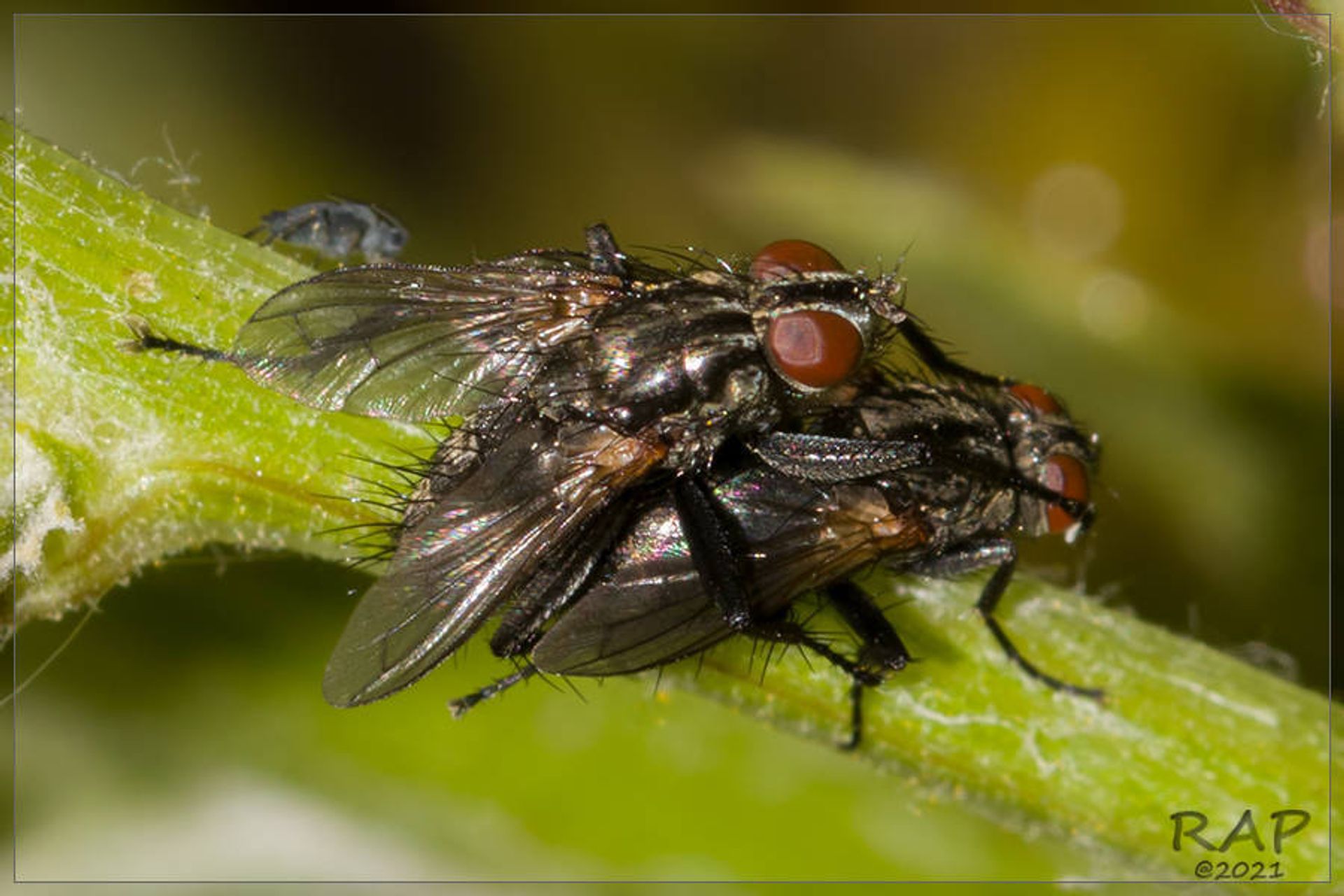
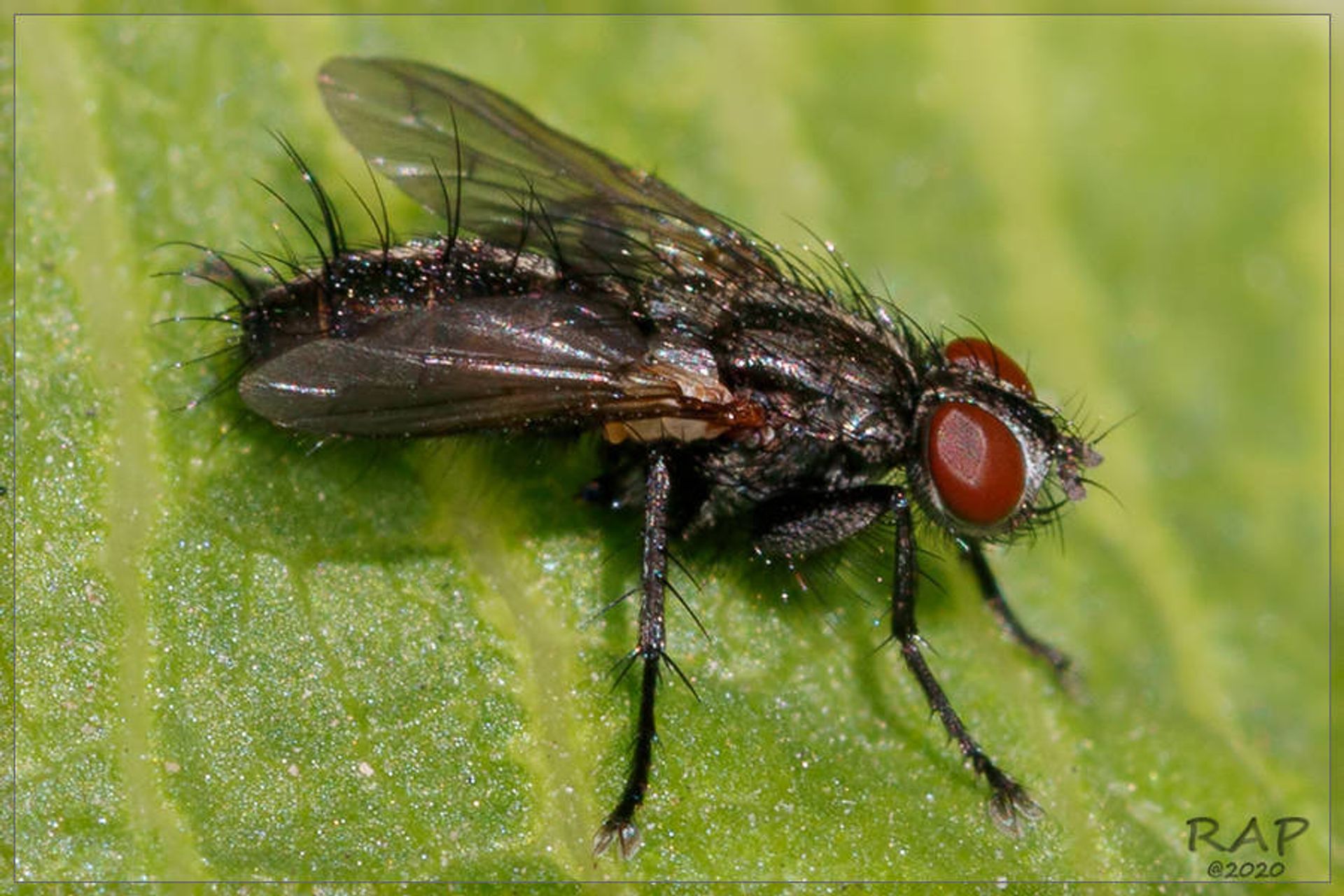
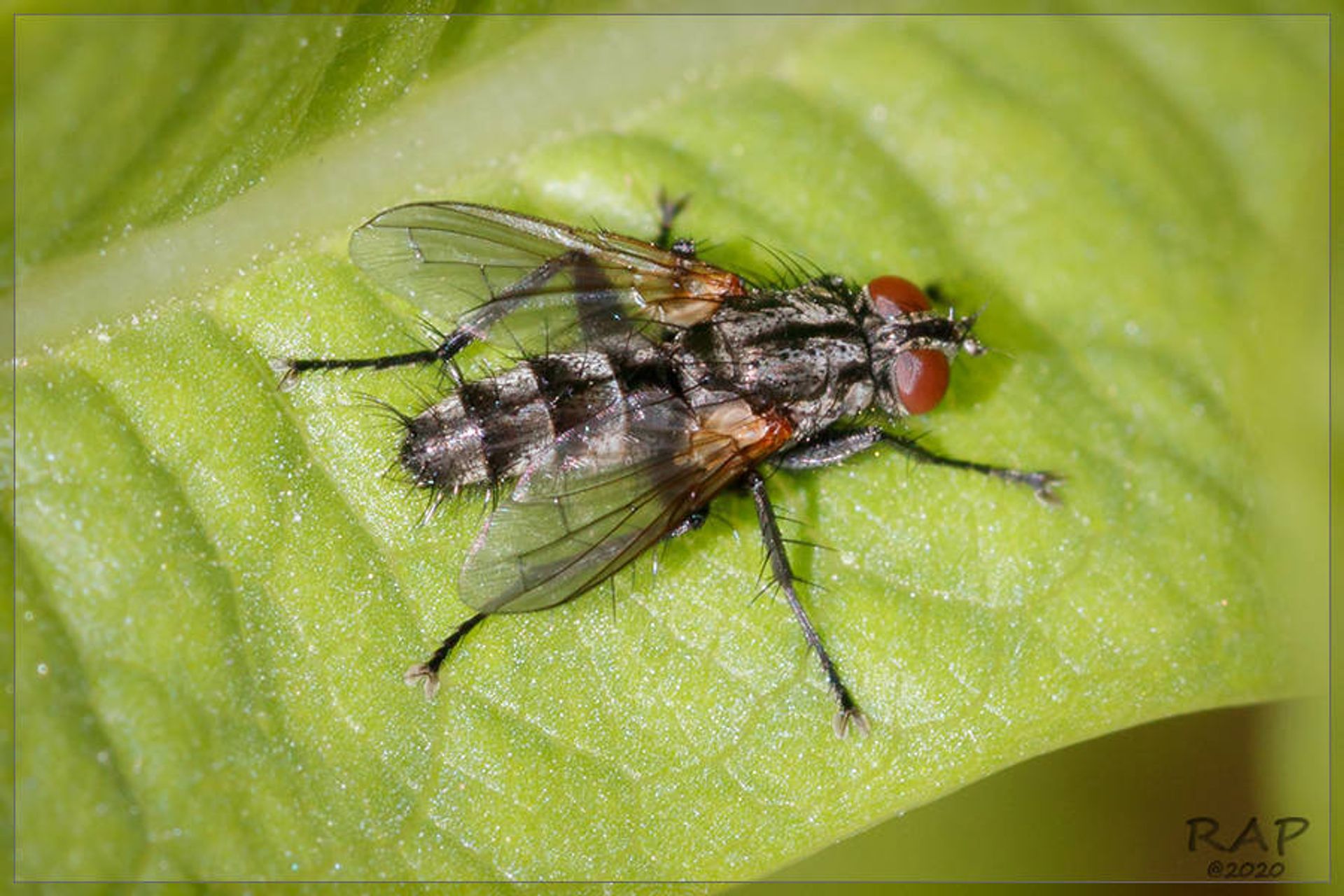
1- Stevenia deceptoria(Grizzled Woodlouse-fly)
Stevenia is a of small, slender, black, bristly flies in the Rhinophoridae. Members are of terrestrial woodlice (sow bugs, Isopoda: Oniscoidea). The genus has a distribution, with some such as S. deceptoria having Palaearctic origins. As with other rhinophorids, females lay near potential and planidial first instars actively parasitize passing woodlice. The genus is phylogenetically close to Tachinidae.
Pronunciation
How to pronounce Stevenia: /stɛˈveɪniə/
These audio files are automatically generated. While they are not always 100% accurate, they are a good starting point.
Identification
Small, slender, black, bristly flies. Phylogenetically close to Tachinidae but distinguished by -level characters of Rhinophoridae. Specific diagnostic features for Stevenia versus other rhinophorid not documented in available sources.
Images
Distribution
distribution. The Palaearctic Stevenia deceptoria has been recorded in North America, representing a first North American record for that species.
Host Associations
Life Cycle
Planidial first instars are mobile and actively parasitize sow bugs as they pass by. Females lay in the vicinity of potential . Later developmental stages occur within the host.
Ecological Role
of terrestrial woodlice, contributing to of isopod decomposers in soil and leaf litter .
Similar Taxa
- TachinidaePhylogenetically close ; Stevenia distinguished by membership in Rhinophoridae and associated lifestyle on woodlice rather than typical tachinid
More Details
Homonymy
Stevenia is also a name in plants (Brassicaceae), established by Adams ex Fischer in 1817. The fly genus was established by Robineau-Desvoidy in 1830. The two names are homonyms but apply to unrelated organisms in different kingdoms.