
Cephenemyia pratti
Hunter, 1916
nose bot fly
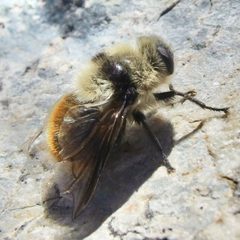
Cephenemyia pratti is a of nose bot fly in the Oestridae, described by Hunter in 1916. Like other members of the Cephenemyia, it is an obligate of cervids (deer family). The species is poorly documented in scientific literature, with only six observations recorded on iNaturalist as of the knowledge cutoff.
Pronunciation
How to pronounce Cephenemyia pratti: //ˌsɛfəˈniːmiə ˈprætaɪ//
These audio files are automatically generated. While they are not always 100% accurate, they are a good starting point.
Identification
Identification to level within Cephenemyia requires examination of morphological features, particularly details of the capsule, mouthparts, and terminalia. Larval stages are difficult to distinguish from without molecular analysis or detailed morphological study. The Cephenemyia is distinguished from related oestrids by adaptations for nasal cavity in deer.
Images
Distribution
Records indicate presence in North America, specifically with photographic documentation from southeastern Missouri. The full geographic range is not well established.
Host Associations
- Cervidae - obligate Larval development occurs within nasal cavities of deer; specific unconfirmed for C. pratti
Life Cycle
Has been observed to pupate in soil. Complete details are not documented for this . Related Cephenemyia species have larvae that develop in the nasal passages of deer, exit through the nostrils, and pupate in soil.
Similar Taxa
- Cephenemyia spp.Other nose bot flies in the same are morphologically similar and share the same general ; -level distinction requires examination
- Cuterebra spp.Both are oestrid flies with rodent/bat (Cuterebra) versus deer hosts (Cephenemyia); may appear superficially similar but differ in host
- Gasterophilus spp.Horse bot flies share Oestridae and general bot fly , but parasitize equids rather than cervids and have different larval attachment sites
More Details
Taxonomic note
The was described by W.D. Hunter in 1916. Very few subsequent studies have specifically addressed C. pratti, and most biological information must be inferred from the better-studied C. trompe and C. ulrichii.