
Bucephalina
Malloch, 1919
Species Guides
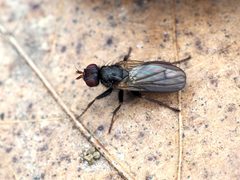
2Bucephalina is a of flies in the Scathophagidae, commonly known as dung flies. The genus was established by Malloch in 1919 and belongs to the tribe Cordilurini within the Scathophaginae. Members of this genus are part of a diverse group of muscoid flies associated with decomposing organic matter.
Pronunciation
How to pronounce Bucephalina: /bjuːˈsɛfəlɪnə/
These audio files are automatically generated. While they are not always 100% accurate, they are a good starting point.
Identification
Bucephalina can be distinguished from other Cordilurini by the characteristic swollen or enlarged capsule that gives the its name (from Greek 'bous' = ox and 'kephale' = head). This cephalic enlargement separates them from related genera such as Cordilura and Norellia. Detailed species-level identification requires examination of male genitalia and chaetotaxy patterns.
Images
Habitat
include moist environments where decomposing organic matter accumulates, including , decaying vegetation, and other nutrient-rich substrates.
Distribution
Records from iNaturalist suggest a Holarctic distribution with observations from North America and Eurasia. Specific range boundaries for the remain poorly documented.
Ecological Role
As members of Scathophagidae, in this likely contribute to nutrient cycling through larval development in decomposing organic substrates. The is generally considered beneficial in agricultural contexts due to accelerated breakdown of and reduction of pest fly .
Similar Taxa
- CordiluraAlso in tribe Cordilurini, but lacks the characteristic enlargement of Bucephalina and has more slender body proportions.
- NorelliaAnother Cordilurini with similar associations, but distinguished by different and wing venation patterns.
More Details
Taxonomic history
The was erected by Scottish entomologist John Russell Malloch in 1919 based on distinctive cephalic . The type and number of included species require further verification against modern revisions of Scathophagidae.