
Hebecnema
Schnabl, 1889
Species Guides
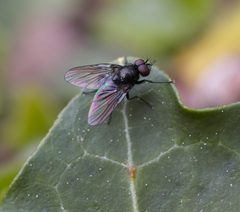
2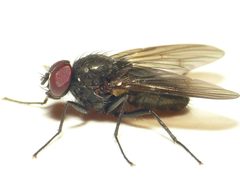

Pronunciation
How to pronounce Hebecnema: /hɛbɛkˈnɛmə/
These audio files are automatically generated. While they are not always 100% accurate, they are a good starting point.
Identification
Hebecnema can be distinguished from other Mydaeinae by a combination of thoracic and abdominal coloration patterns. The genus name refers to the dull, matt appearance of the body surface (from Greek 'hebe' = youth/beauty and 'knema' = leg/thread, though often interpreted as dull-legged). Specific identification to species level requires examination of male terminalia and subtle differences in coloration; H. nigricolor and H. umbratica are among the more frequently recorded species in Europe.
Images
Distribution
Recorded from Denmark, Norway, Sweden, and the United States (Vermont). Distribution records suggest a primarily northern temperate and range, though sampling may affect reported distribution.
Similar Taxa
- MydaeaBoth belong to Mydaeinae and share similar general body form; Hebecnema is distinguished by more uniformly dull coloration and specific chaetotaxy of the legs and
- GraphomyaAnother Mydaeinae with overlapping distribution; Graphomya typically show more distinct thoracic vittae and brighter coloration patterns
More Details
Taxonomic history
The was described by Schnabl in 1889. previously placed in other genera (particularly Hydrotaea or related muscid genera) have been transferred to Hebecnema based on revisions of Mydaeinae . The type species is Hebecnema vespertina (Fallén, 1823), originally described as Anthomyia vespertina.
Species diversity
Seven are currently recognized: H. anthracina (Stein, 1908), H. fulva (Bigot, 1885), H. fumosa (Meigen, 1826), H. nigra (Robineau-Desvoidy, 1830), H. nigricolor (Fallén, 1825), H. umbratica (Meigen, 1826), and H. vespertina (Fallén, 1823). Several species were originally described in other and later transferred.