
Lispe
Latreille, 1797
Species Guides
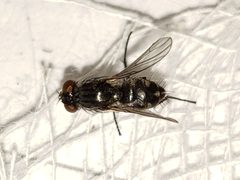
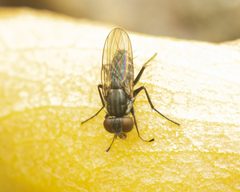
4Lispe is a large, of predatory muscid flies comprising approximately 180 described . and larvae are both predatory, with adults hunting small insects and larvae inhabiting damp sand and mud around water bodies. The genus is notable for complex involving visual and vibratory signals, though the of most species remains poorly documented. Lispe occurs in all zoogeographical regions except Antarctica.

Pronunciation
How to pronounce Lispe: //ˈlɪs.piː//
These audio files are automatically generated. While they are not always 100% accurate, they are a good starting point.
Identification
Identification to level requires examination of male and female terminalia. Male cercal plates and genitalic structures are particularly diagnostic; illustrated keys reference external characters including chaetotaxy patterns and leg . The is distinguished from other muscids by predatory habits and association with shoreline .
Images
Habitat
Inhabits the muddy and sandy margins of water bodies, including lake shores, riverbanks, and wetlands. Larvae develop in damp sand and mud substrates. Some occupy more specific microhabitats such as glades with persistent mud puddles.
Distribution
distribution across all zoogeographical regions except Antarctica. Documented from Australia (39 ), Macaronesia (10 species), Palaearctic region including Turkey and Azerbaijan, and the Americas. GBIF records indicate presence in Colombia, Denmark, Norway, and Sweden.
Diet
are of small insects. Larvae are also predatory, feeding in damp sand and mud substrates.
Behavior
Exhibits involving complex visual and vibratory signals. In Lispe sydneyensis, males engage in competitive dances and combat. In Lispe albimaculata and Lispe xenochaeta, females display aggression toward males, charging and displaying at them. Each possesses a unique courtship behavioral repertoire.
More Details
Species diversity
Approximately 180 described worldwide, with significant regional radiations including 39 species in Australia (22 described as new in 2019) and 10 species in Macaronesia.
Taxonomic resources
Comprehensive -level identification keys exist for Australian and Macaronesian faunas, and for the Palaearctic Lispe tentaculata species-group.
Sources and further reading
- BugGuide
- Wikipedia
- GBIF taxonomy match
- iNaturalist taxon
- NCBI Taxonomy
- Catalogue of Life
- Bug Eric: City Nature Challenge 2023 Recap
- Lispe Latreille (Diptera, Muscidae) from the Macaronesian Islands with a key to species and redescription of Lispe nana Macquart
- Figure 5 from: Vikhrev N (2011) Review of the Palaearctic members of the Lispe tentaculata species-group (Diptera, Muscidae): revised key, synonymy and notes on ecology. ZooKeys 84: 59-70. https://doi.org/10.3897/zookeys.84.819
- Figure 1 from: Vikhrev N (2011) Review of the Palaearctic members of the Lispe tentaculata species-group (Diptera, Muscidae): revised key, synonymy and notes on ecology. ZooKeys 84: 59-70. https://doi.org/10.3897/zookeys.84.819
- Figure 3 from: Vikhrev N (2011) Review of the Palaearctic members of the Lispe tentaculata species-group (Diptera, Muscidae): revised key, synonymy and notes on ecology. ZooKeys 84: 59-70. https://doi.org/10.3897/zookeys.84.819
- Figure 2 from: Vikhrev N (2011) Review of the Palaearctic members of the Lispe tentaculata species-group (Diptera, Muscidae): revised key, synonymy and notes on ecology. ZooKeys 84: 59-70. https://doi.org/10.3897/zookeys.84.819
- Figure 6 from: Vikhrev N (2011) Review of the Palaearctic members of the Lispe tentaculata species-group (Diptera, Muscidae): revised key, synonymy and notes on ecology. ZooKeys 84: 59-70. https://doi.org/10.3897/zookeys.84.819
- Figure 4 from: Vikhrev N (2011) Review of the Palaearctic members of the Lispe tentaculata species-group (Diptera, Muscidae): revised key, synonymy and notes on ecology. ZooKeys 84: 59-70. https://doi.org/10.3897/zookeys.84.819
- Studies on the Australian Muscidae (Diptera). VIII. The genus Lispe Latreille, 1797
- Flies getting filthy: The precopulatory mating behaviours of three mud-dwelling species of Australian Lispe (Diptera: Muscidae)
- Review of the Palaearctic members of the Lispe tentaculata species-group (Diptera, Muscidae): revised key, synonymy and notes on ecology