
Coenosiini
Genus Guides
7- Bithoracochaeta
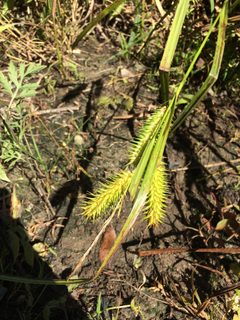
- Caricea
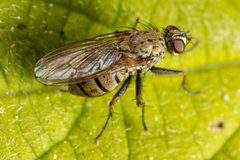
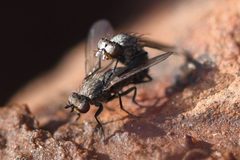
- Coenosia(Tiger Flies)
- Macrorchis
- Neodexiopsis(house flies)
- Pachyceramyia
- Schoenomyza
Coenosiini is a tribe of muscid flies (Diptera: Muscidae) comprising approximately 22 distributed worldwide. The tribe is taxonomically active, with new genera and continuing to be described. Members are generally small to medium-sized flies with ecological roles that remain poorly documented for most .
Pronunciation
How to pronounce Coenosiini: /koɪˈnoʊsiˌaɪnaɪ/
These audio files are automatically generated. While they are not always 100% accurate, they are a good starting point.
Identification
Coenosiini can be distinguished from other Muscidae tribes by characters of the male terminalia and wing venation patterns. Specific identification requires examination of genitalic structures; the tribe lacks the distinctive features of more familiar muscid groups such as the house flies (Musca) or stable flies (Stomoxys).
Images
Distribution
Worldwide distribution with documented records across multiple continents; precise range limits for the tribe as a whole are not established.
Similar Taxa
- MusciniAnother tribe in Muscidae; Coenosiini lacks the robust body form and characteristic thoracic stripes typical of Muscini (e.g., house flies and relatives).
- StomoxyiniDistinguished from Coenosiini by the presence of piercing mouthparts in Stomoxyini (biting muscids such as stable flies), which are absent in Coenosiini.
More Details
Taxonomic composition
The tribe includes 22 recognized : Altimyia, Apsil, Bithoracochaeta, Coenosia, Cordiluroides, Insulamyia, Limnospila, Lispocephala, Macrorchis, Neodexiopsis, Notoschoenomyza, Orchisia, Oxytonocera, Pentacricia, Pilispina, Plumispina, Pseudocoenosia, Reynoldsia, Schoenomyza, Schoenomyzina, Spanochaeta, and Spathipheromyia. The genus Coenosia Meigen, 1826 is the type genus. A additional genus Chouicoenosia was described in 1996.