
Brachydeutera
Loew, 1860
Species Guides
4Brachydeutera is a of shore flies in the Ephydridae, containing approximately 16 described . Members of this genus are characterized by their association with aquatic or semi-aquatic , where they occupy the hyponeustic zone—living just below the water surface. The genus was established by Loew in 1860 and has been documented across various regions with observations spanning multiple continents.
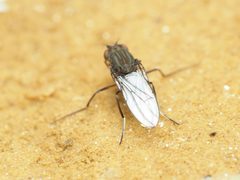
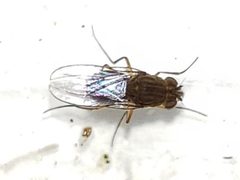
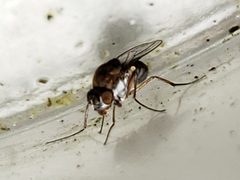
Pronunciation
How to pronounce Brachydeutera: /ˌbrækɪˈdjuːtərə/
These audio files are automatically generated. While they are not always 100% accurate, they are a good starting point.
Images
Habitat
Hyponeustic environments, living just below the water surface in aquatic or semi-aquatic . such as Brachydeutera sturtevanti have been documented as in these surface-water microhabitats.
Distribution
Widespread distribution with documented occurrences across multiple continents. The has been recorded in North America, with specific observations from regions including Kansas, USA, and broader geographic ranges based on 1,692 iNaturalist observations.
Diet
feeding habits have been reported for at least one , Brachydeutera sturtevanti, though specific dietary details for the as a whole remain undocumented.
Life Cycle
stages have been described for Brachydeutera sturtevanti, indicating complete with documented larval development in aquatic surface environments.
Behavior
Hyponeustic lifestyle—occupying the interface zone just beneath the water surface. This behavioral distinguishes members of this from strictly terrestrial or fully aquatic dipterans.
Similar Taxa
- Other Ephydridae generaBrachydeutera can be distinguished from other shore fly by its hyponeustic preference and associated morphological adaptations for surface-water life.
More Details
Taxonomic history
The was established by Loew in 1860, with subsequent taxonomic revisions placing it firmly within the Ephydridae. The authorship date is sometimes cited as 1862 in later sources.
Species diversity
Approximately 16 described are currently recognized in the , though ongoing taxonomic work and increased observation efforts may reveal additional diversity.