
Ocydromia
Meigen, 1820
Species Guides
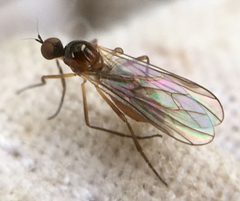
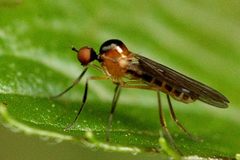
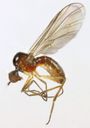
1Ocydromia is a of small predatory flies in the Hybotidae, characterized by their distinctive running on the ground and vegetation. These hybotid flies are part of the Ocydromiinae, which shares the 'running flies' due to their habits. The genus occurs primarily in the Holarctic region with documented records from Scandinavia and Denmark.
Pronunciation
How to pronounce Ocydromia: /ˌoʊsɪˈdroʊmiə/
These audio files are automatically generated. While they are not always 100% accurate, they are a good starting point.
Identification
Ocydromia can be distinguished from other hybotid by its placement in the Ocydromiinae; members of this subfamily have elongated legs adapted for running and reduced wing venation compared to other hybotids. The genus is separated from the closely related Ocydromiinae genus Tachydromia primarily by subtle differences in wing venation and leg proportions, though definitive identification often requires examination of male terminalia.
Images
Habitat
Found in moist, shaded environments including forest floors, riparian zones, and wetlands where prey availability is high.
Distribution
Documented from Denmark, Norway, and Sweden; likely occurs more broadly across the Palearctic region given the distribution patterns of related hybotid .
Diet
Predatory; feeds on small arthropods including springtails (Collembola) and other minute soil-dwelling .
Behavior
that actively runs across ground surfaces and low vegetation to pursue prey rather than flying; this running is characteristic of the Ocydromiinae.
Ecological Role
in soil and litter microhabitats, contributing to regulation of small .
Similar Taxa
- TachydromiaAlso in Ocydromiinae with similar running and preferences; distinguished by wing venation patterns and leg proportions
- Other HybotidaeNon-Ocydromiinae hybotids typically have more developed wing venation and are more aerial in foraging rather than