
Clinocera binotata
Loew, 1876
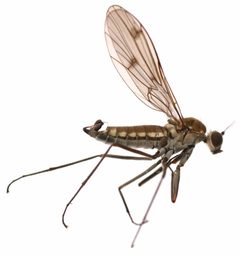
Clinocera binotata is a of dance fly in the Empididae, Clinocerinae. The species was described by Loew in 1876. Like other members of the Clinocera, it is associated with aquatic or semi-aquatic . The specific epithet 'binotata' refers to two spots or markings, likely describing a distinctive pattern on the body.
Pronunciation
How to pronounce Clinocera binotata: //klɪnəˈsɛrə bɪnəˈteɪtə//
These audio files are automatically generated. While they are not always 100% accurate, they are a good starting point.
Identification
Clinocera binotata can be distinguished from by the two spots referenced in its specific epithet. Accurate identification to level within Clinocera requires examination of male genitalia and other subtle morphological characters. The species belongs to the Clinocerinae, which is distinguished from other Empididae by aquatic or semi-aquatic larval and associated .
Images
Appearance
are small to medium-sized flies with the characteristic empidid body plan: slender build, long legs, and a relatively small . The specific epithet 'binotata' indicates the presence of two distinct spots or markings, presumably on the , , or wings. Members of Clinocerinae typically have reduced wing venation and a somewhat humpbacked thoracic profile compared to other empidid .
Habitat
Aquatic or semi-aquatic environments, including the margins of streams, rivers, and other freshwater bodies. Larvae develop in moist or submerged substrates. are typically found near larval .
Distribution
Exact distribution records are sparse. The has been documented in North America based on taxonomic literature. GBIF records indicate limited observations, suggesting either restricted range or undercollection.
Life Cycle
Complete with , larva, pupa, and stages. Larvae are aquatic or semi-aquatic, developing in moist substrates associated with freshwater . Specific details of larval development and are not well documented for this .
Behavior
likely engage in the complex courtship characteristic of Empididae, including prey presentation by males to females. Like other Clinocerinae, adults may be observed resting on vegetation near water or engaging in mating swarms.
Ecological Role
Larvae contribute to aquatic as or in freshwater . may serve as prey for larger insects, spiders, and other arthropods.
Human Relevance
No direct economic or medical importance. Like many aquatic insects, may serve as a bioindicator of water quality, though not specifically documented for this .
Similar Taxa
- Other Clinocera speciesClinocera contains multiple with similar aquatic habits and general ; precise identification requires examination of spot patterns and genitalia.
- Other Empididae subfamilies (e.g., Empidinae, Hemerodromiinae)Share general 'dance fly' appearance but differ in preferences and wing venation; Clinocerinae are specifically associated with aquatic environments.
More Details
Taxonomic Note
The Clinocera is part of the Clinocerinae, a group of Empididae specialized for aquatic or semi-aquatic . The specific epithet 'binotata' is descriptive, referring to two spots, but the exact location and appearance of these markings on the would require examination of the original description or type material.
Data Limitations
Information on this is extremely limited in publicly available sources. Most knowledge is inferred from - and -level characteristics. The species has only 2 observations in iNaturalist as of the source date, indicating it is rarely encountered or underreported.