
Chrysotus
Meigen, 1824
Species Guides
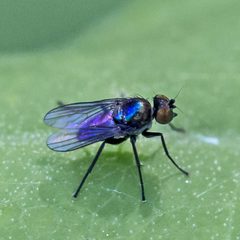
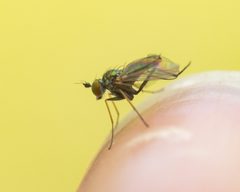
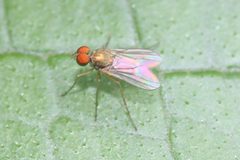
20Chrysotus is a large of long-legged flies (Diptera: Dolichopodidae) in the Diaphorinae, with more than 460 described . The genus is taxonomically problematic and likely or polyphyletic with respect to related genera including Achradocera, Falbouria, and Lyroneurus. Species are distributed across multiple biogeographic regions including the Palaearctic, Nearctic, Oriental, and . The genus contains two subgenera: Angiopus (, containing only C. halteratus) and Chrysotus (containing all other species).
Pronunciation
How to pronounce Chrysotus: //ˈkrɪsəˌtʊs//
These audio files are automatically generated. While they are not always 100% accurate, they are a good starting point.
Identification
Identification to level requires examination of male genitalia and other subtle morphological characters; the is characterized by features typical of Dolichopodidae including long legs and reduced wing venation. Species-level identification keys exist for regional faunas including Palaearctic China and the Nearctic region. The C. longipalpus species group is distinguished by distinctive palpal .
Images
Distribution
Widely distributed across multiple biogeographic regions. Documented from Palaearctic China, Bulgaria (West Rhodope Mountains and other mountain ranges), the Nearctic region (Florida, Alabama, South Dakota), and South America. GBIF records indicate presence in Denmark, Norway, and Sweden. Specific groups show restricted distributions: the C. leigongshanus group (59 species) and C. papuanus group (107 species) are concentrated in China; the C. mediotinctus group (5 species) is restricted to South America; the C. cilipes and C. laesus groups are Palaearctic and Oriental.
Human Relevance
One has been documented from soybean fields in South Dakota, suggesting potential relevance to agricultural , though specific pest or beneficial status is undetermined.
Similar Taxa
- AchradoceraRelated ; Chrysotus is likely or polyphyletic with respect to Achradocera, indicating convergent or shared ancestral traits that complicate genus-level boundaries
- FalbouriaRelated ; taxonomic boundaries with Chrysotus are unclear due to probable paraphyly of Chrysotus
- LyroneurusRelated ; similarly implicated in the paraphyly/polyphyly problems of Chrysotus
Sources and further reading
- BugGuide
- Wikipedia
- GBIF taxonomy match
- iNaturalist taxon
- NCBI Taxonomy
- Catalogue of Life
- Species of <i>Chrysotus</i> Meigen in Palaearctic China (Diptera: Dolichopodidae)
- Palpi aplenty: new species in the Chrysotus longipalpus species group (Diptera: Dolichopodidae)
- A new species Chrysotus hubenovi and new data on the family Dolichopodidae (Diptera) of Bulgaria
- A new species of Chrysotus Meigen (Diptera, Dolichopodidae) from soybean fields in South Dakota, USA.