Procladius bellus
(Loew, 1866)
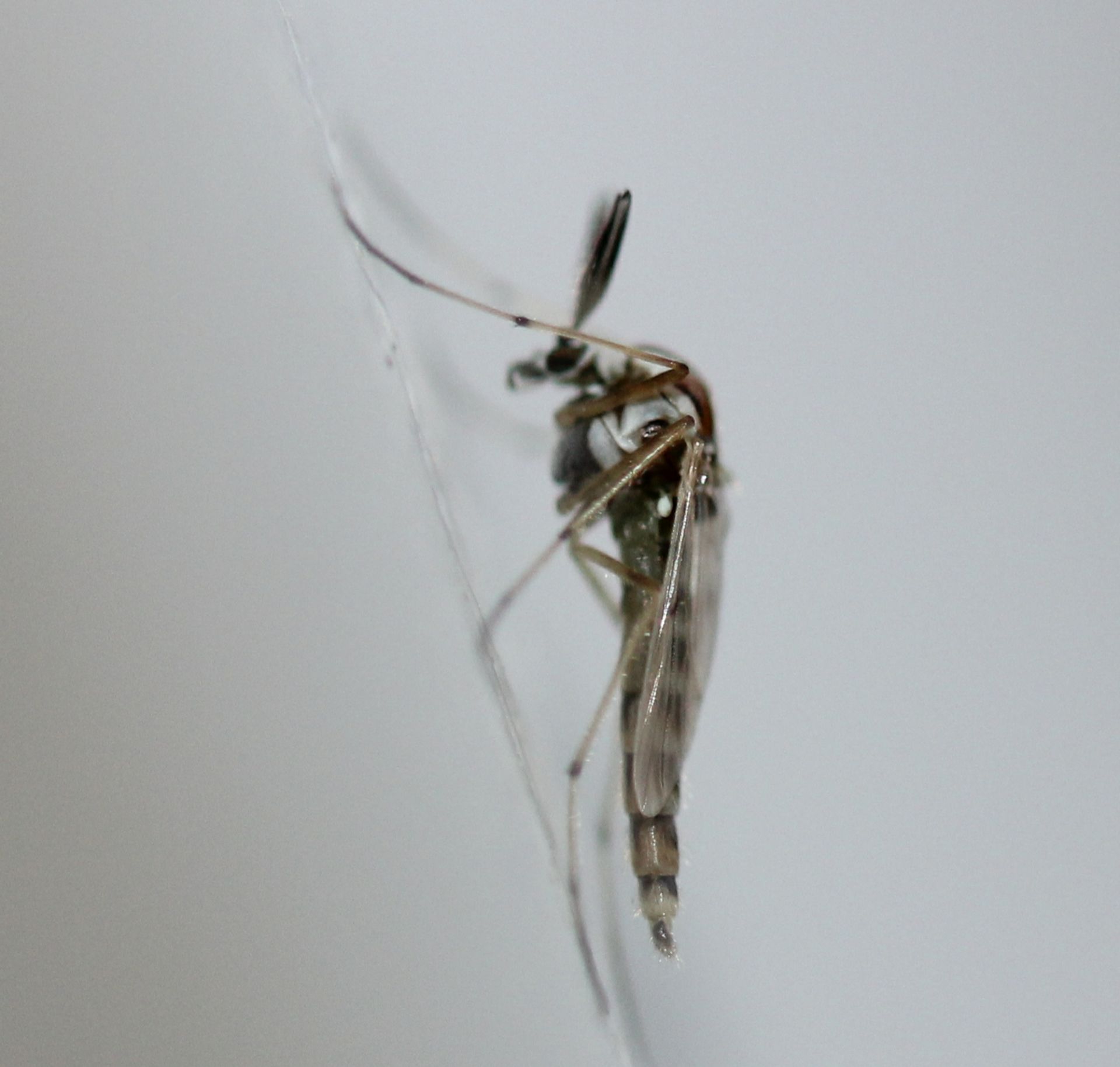
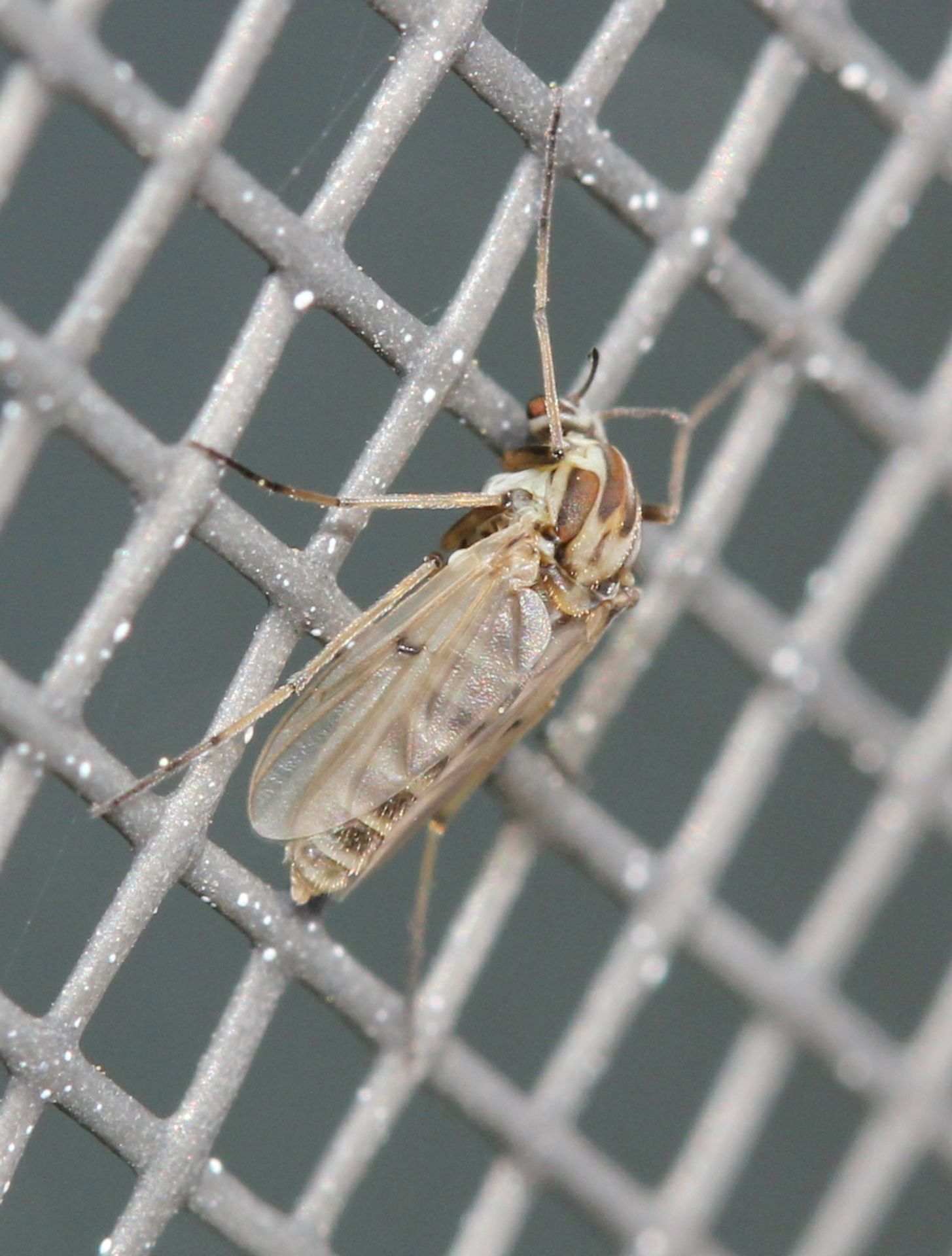
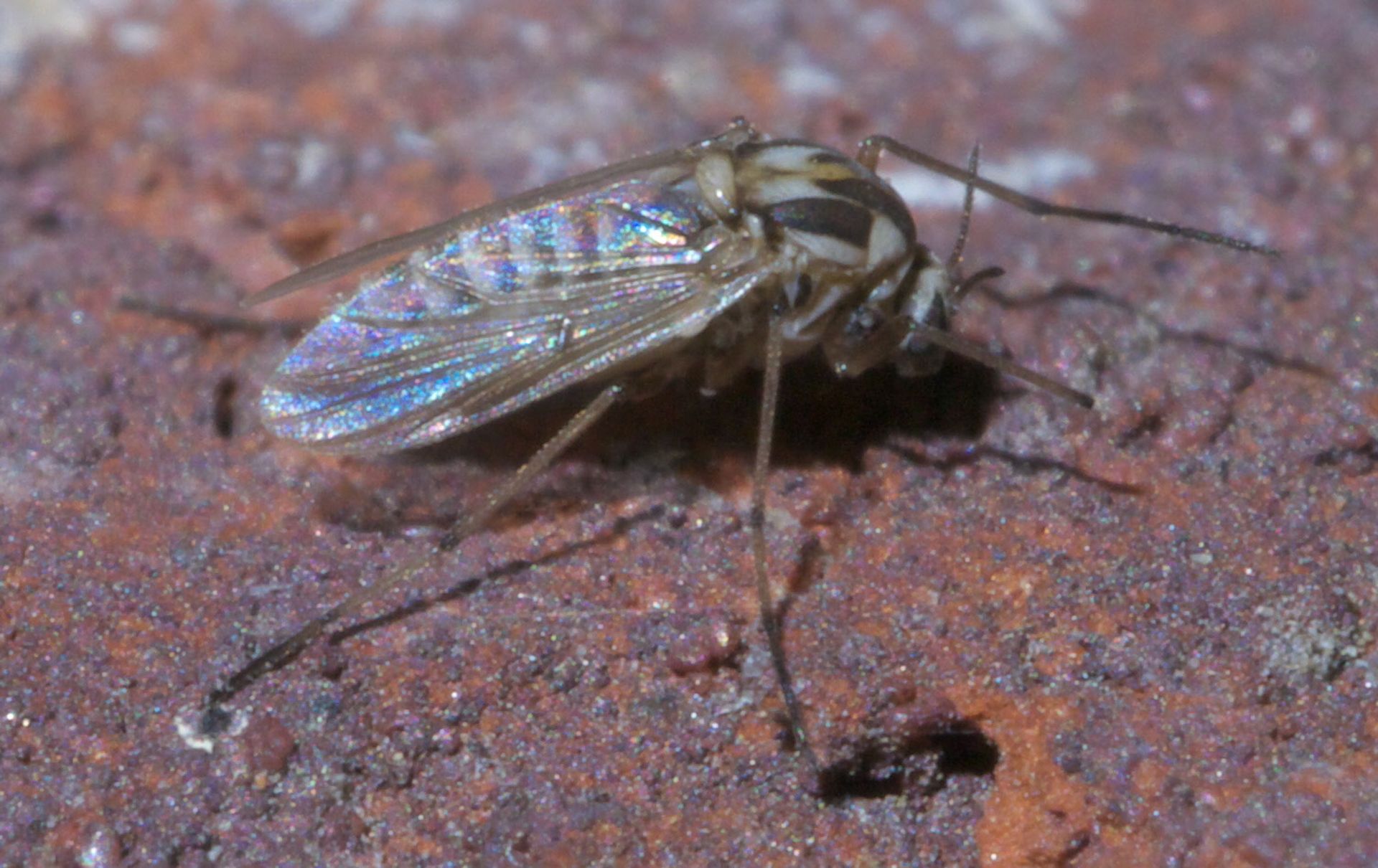
Procladius bellus is a non-biting midge in the Chironomidae, first described by Loew in 1866. It inhabits freshwater systems, particularly with fluctuating water levels. Research in Laurel Creek Reservoir, Ontario, documented its ability to survive winter drawdown periods and complete three annually under favorable conditions.
Pronunciation
How to pronounce Procladius bellus: //prɒˈkleɪdiəs ˈbɛləs//
These audio files are automatically generated. While they are not always 100% accurate, they are a good starting point.
Images
Habitat
Freshwater aquatic environments, specifically drawdown . Some individuals survive winter drawdown periods when water levels are reduced.
Seasonality
Active during warmer months; with three per year observed in Ontario following spring refilling.
Life Cycle
Multivoltine with three per year documented in Laurel Creek , Ontario. is continuous following spring refilling.
Ecological Role
Production estimates of 117.12 kg (175 mg m⁻²) in 1980 and 70.14 kg (105 mg m⁻²) in 1981 with P:B ratios of approximately 13. Production varies substantially between stations and is lower than in shallow .
More Details
Production dynamics
Substantial station-to-station variation in production occurs within . Overall production is lower than in shallow despite the ' ability to exploit drawdown conditions.
Winter survival
Some individuals survive winter drawdown, enabling rapid recolonization when refill in spring.
Sources and further reading
- BugGuide
- Wikipedia
- GBIF taxonomy match
- iNaturalist taxon
- NCBI Taxonomy
- Bembicid Holdings | Entomology Research Museum
- Hidden in plain sight: snake named 46 years after first discovery
- 🥳 Here goes THE title in our New Species Showdown!
- Production of the chironomid Procladius bellus in an annual drawdown reservoir