
Procladius
Skuse, 1889
Species Guides
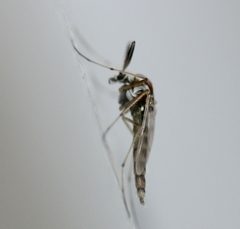
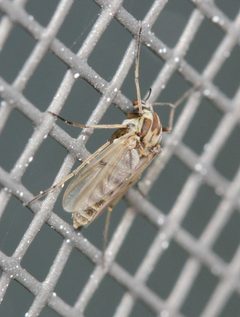
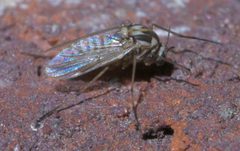
1Procladius is a of non-biting midges in the Chironomidae, Tanypodinae. Larvae are predatory and inhabit freshwater benthic environments including lakes, , and wetlands. The genus exhibits considerable with over 50 described distributed across the Holarctic and other regions. Some species have adapted to fluctuating water levels in reservoir environments.
Pronunciation
How to pronounce Procladius: /proʊˈkleɪdiəs/
These audio files are automatically generated. While they are not always 100% accurate, they are a good starting point.
Identification
Larvae can be distinguished from other Tanypodinae by morphological features detailed in taxonomic keys for Nearctic specimens. -level identification of larvae and pupae requires examination of specific morphological characters; keys are available for females, pupae from Lake Winnipeg, and Nearctic larvae. males and females can be identified using species-specific morphological characters described in taxonomic literature.
Images
Habitat
Freshwater benthic environments including lakes, , and wetlands. Documented from shallow to deeper benthic . Some inhabit drawdown reservoirs and have adapted to periodic water level fluctuations. Also found in urban wetlands where larvae are exposed to sediment contaminants.
Distribution
Holarctic distribution with records from North America (Canada, United States), Europe (Norway, Sweden, Denmark, Hungary), and South America (Colombia). Specific documented locations include Lake Winnipeg (Manitoba, Canada), Lake Balaton (Hungary), Toolik Lake (Arctic Alaska), Laurel Creek (Ontario, Canada), and urban wetlands in Australia.
Seasonality
Multiple per year in temperate environments. Procladius choreus exhibits with two generations per year and parallel cohorts during summer months. Procladius bellus shows three generations per year in environments. occur during warmer months with timing varying by latitude.
Diet
Predatory. Larvae feed on benthic organisms including , other chironomids, and microcrustaceans. Exhibits selective , with documented preference for certain prey such as Chironomus over Paratanytarsus based on prey foraging . Gut analyses indicate higher than expected consumption of Orthocladiinae chironomids.
Life Cycle
Holometabolous with , larval, pupal, and stages. Larval development includes multiple instars with growth approximately following . Some survive winter drawdown conditions in . strategies vary: (two per year) and trivoltine (three generations per year) patterns documented. Specific timing depends on environmental conditions and geographic location.
Behavior
Larvae are active that forage in benthic sediments. Selective has been demonstrated: larvae preferentially attack prey that graze outside protective tubes versus those that remain concealed. behavior includes mating swarms; specific mating behaviors documented for some in prairie marsh environments.
Ecological Role
in freshwater benthic . Regulates of other chironomids and microcrustaceans through selective . Serves as prey for fish and other aquatic predators. Contributes to nutrient cycling in benthic environments. Production estimates indicate substantial contribution to productivity (e.g., 70-117 kg production documented for P. bellus).
Human Relevance
Used as bioindicator organism for environmental assessment. Metabolomic profiles of Procladius villosimanus have been associated with sediment in urban wetlands, demonstrating potential for monitoring pollution exposure. production in may influence fish productivity. Larvae may be present in water supplies but are non-biting and do not transmit .
Similar Taxa
- TanypusBoth are predatory Tanypodinae with similar larval ; distinguished by specific morphological characters in taxonomic keys
- ChaoborusBoth are predatory aquatic dipteran larvae; Chaoborus is in Chaoboridae and has different morphological features and typically planktonic rather than benthic
More Details
Taxonomic Subdivisions
The includes subgenera such as Holotanypus and Psilotanypus, used in -level classification
Environmental Sensitivity
Metabolomic studies demonstrate that Procladius villosimanus exhibits measurable physiological responses to sediment contaminants including petroleum hydrocarbons, metals, and , making it useful for environmental monitoring
Sources and further reading
- BugGuide
- Wikipedia
- GBIF taxonomy match
- iNaturalist taxon
- NCBI Taxonomy
- Catalogue of Life
- Selective Predation by Procladius in an Arctic Alaskan Lake
- Production of the chironomid Procladius bellus in an annual drawdown reservoir
- Life history patterns of Procladius choreus, Tanypus punctipennis and Chironomus balatonicus in Lake Balaton
- Two Species of Procladius (Diptera:Chironomidae) from a Northern Prairie Marsh: Descriptions, Phenologies and Mating Behaviour
- The occurrence and behaviour of adult Chaoborus and Procladius (Diptera: Nematocera) from Lake George, Uganda
- Procladius Skuse from Lake Winnipeg, Manitoba, Canada, with keys to some females and immature stages of the genus (Diptera: Chironomidae)
- Metabolomic Profiles of a Midge (Procladius villosimanus, Kieffer) Are Associated with Sediment Contamination in Urban Wetlands