
Djalmabatista
Fittkau, 1968
Species Guides
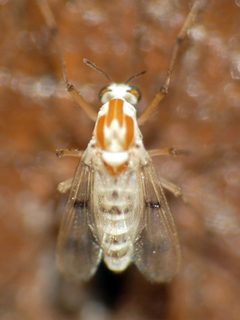
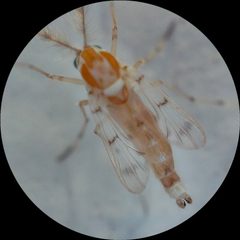
1Djalmabatista is a of non-biting midges (Chironomidae) established by Fittkau in 1968. The genus belongs to the Tanypodinae and tribe Procladiini. Approximately 14 have been described. These are aquatic in their larval stages and are part of the diverse fauna found in freshwater .
Pronunciation
How to pronounce Djalmabatista: /ˈdʒælməˌbætiːstə/
These audio files are automatically generated. While they are not always 100% accurate, they are a good starting point.
Identification
Djalmabatista can be distinguished from other Procladiini by male genitalic characters, particularly the structure of the hypopygium. The is characterized by features of the and wing venation typical of Tanypodinae. Species-level identification requires examination of male specimens under magnification.
Images
Habitat
Larvae inhabit freshwater aquatic environments, including streams and standing waters. Specific microhabitat preferences vary by but generally include benthic zones of lotic and lentic systems.
Distribution
Records exist from Colombia (Cundinamarca Department) and Norway. The likely has a broader distribution in the Neotropical and Palearctic regions, though documented occurrences remain sparse.
Life Cycle
As with other Chironomidae, development includes , larval, pupal, and stages. Larvae are aquatic and undergo multiple instars before . Adults are short-lived and do not feed.
Ecological Role
Larvae contribute to benthic as and prey. They are part of the macroinvertebrate used in bioassessment of freshwater health.
Human Relevance
No direct economic importance. May be used as indicators in freshwater biomonitoring programs.
Similar Taxa
- ProcladiusAlso in tribe Procladiini; Djalmabatista differs in male genitalic and antennal structure
- AblabesmyiaShares Tanypodinae; Djalmabatista has distinct wing venation and hypopygial characters
More Details
Taxonomic history
The was established by Ernst Josef Fittkau in 1968 within the tribe Procladiini. The etymology honors the Brazilian entomologist Djalmma Batista.