
Clinotanypodini
Lipina, 1928
Genus Guides
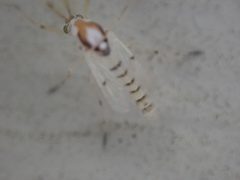
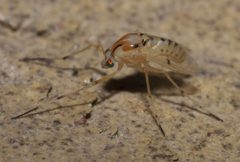
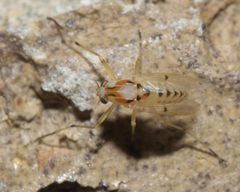
2Clinotanypodini is a tribe of non-biting midges within the Chironomidae. The tribe contains predatory in the Clinotanypus and Coelotanypus. The name Clinotanypodini replaced the earlier Coelotanypodini based on taxonomic priority. These midges are aquatic in their larval stages and occur in freshwater .
Pronunciation
How to pronounce Clinotanypodini: /ˌklaɪ.nəʊˌtæn.ɪˈpɒ.dɪ.naɪ/
These audio files are automatically generated. While they are not always 100% accurate, they are a good starting point.
Identification
Clinotanypodini can be distinguished from other Tanypodinae tribes by the presence of two with distinct morphological features: Clinotanypus and Coelotanypus. Larvae of this tribe possess characteristic predatory adaptations including robust mouthparts. are small to medium-sized with typical but lack the reduced wing venation seen in some related tribes.
Images
Habitat
Aquatic and semi-aquatic freshwater environments. Larvae inhabit standing and flowing waters including lakes, ponds, and streams.
Distribution
Widely distributed across the Holarctic region with records from Europe, Asia, and North America.
Diet
Larvae are predatory, feeding on other aquatic including small insect larvae and crustaceans.
Life Cycle
Complete with , larval, pupal, and stages. Larvae are aquatic and undergo multiple instars before . Adults are short-lived and do not feed.
Behavior
Larvae are active that hunt prey in benthic and water column . They use their modified mouthparts to capture and consume other .
Ecological Role
Predatory larvae function as secondary consumers in freshwater , regulating of smaller . They serve as prey for larger aquatic including fish and other insects.
Human Relevance
Used as bioindicators in freshwater quality assessments. Larvae are sometimes collected as fish food in aquaculture.
Similar Taxa
- AnatopyniiniAnother tribe in Tanypodinae with predatory larvae, but distinguished by different larval mouthpart and genitalic structures.
- PentaneuriniLarger tribe of predatory Tanypodinae with more diverse larval and generally more widespread distribution.
More Details
Taxonomic History
The tribe was originally described as Coelotanypodini by Fittkau in 1962, but Lipina's 1928 name Clinotanypi was determined to have priority, leading to the current .