
Brillia
Kieffer, 1913
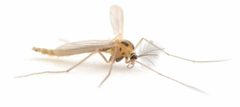
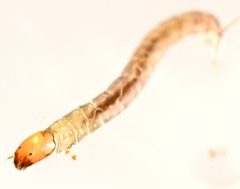
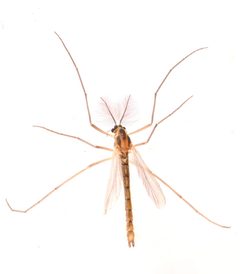
Brillia is a of non-biting midges in the Orthocladiinae of the Chironomidae. The genus exhibits remarkable cryptic diversity, with studies revealing 30 Barcode Index Numbers and 158 unique haplotypes across 13 described . East Asian and North American show complete genetic distinctness, suggesting long-term isolation. The larvae inhabit freshwater depositional zones and serve as sensitive bioindicators for monitoring.
Pronunciation
How to pronounce Brillia: /ˈbrɪliə/
These audio files are automatically generated. While they are not always 100% accurate, they are a good starting point.
Images
Habitat
Depositional zones of rivers, streams, and small lentic waters. Altitudinal range: 3 to 3290 m.
Distribution
Global distribution across Holarctic and Oriental regions. Sampled from 18 countries spanning 19.083°N to 70.426°N latitude and 151.081°W to 140.165°E longitude. Major regional concentrations: Central Europe (36.9% of , primarily Balkan Peninsula including Georgia, Montenegro, Serbia), North America (33.6%, western coastal US and Canada), East Asia (15.8%, southwestern China including Yunnan and Xizang), Northern Europe (13.7%, subarctic regions including northern Norway). GBIF records confirm presence in Denmark, Norway, and Sweden.
Diet
Larvae feed primarily on humic substances.
Life Cycle
Larvae inhabit freshwater depositional zones; collected using and light traps. Molecular evidence supports matching of different life stages (adults and larvae).
Behavior
Most haplotypes are region-specific, indicating limited between . Complete genetic distinctness between East Asian and North American populations suggests long-term isolation.
Ecological Role
Contribute to material cycling in freshwater . Serve as sensitive bioindicators of environmental change for freshwater ecosystem monitoring and biodiversity assessment.
Human Relevance
Used in freshwater monitoring and biodiversity assessment due to sensitivity to environmental change. studies have corrected misidentifications in existing databases, providing improved molecular tools for identification.
Sources and further reading
- BugGuide
- Wikipedia
- GBIF taxonomy match
- iNaturalist taxon
- NCBI Taxonomy
- Catalogue of Life
- The Brilliance of Brownfields - Buglife Blog - Buglife
- Seventy-four cuckoos in the nest: A new key to all North European cuckoo wasp species | Blog
- Another look at North America’s most beautiful longhorned beetle | Beetles In The Bush
- When will periodical cicadas of Brood XIV make their appearance? Magicicada spp. — Bug of the Week
- Revision of the Formicidae of North America | Beetles In The Bush
- Cryptic Diversity and Climatic Niche Divergence of Brillia Kieffer (Diptera: Chironomidae): Insights from a Global DNA Barcode Dataset.