
Paratendipes
Kieffer, 1911
non-biting midges
Species Guides
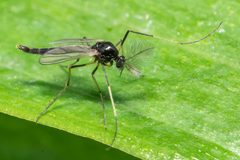
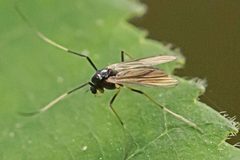
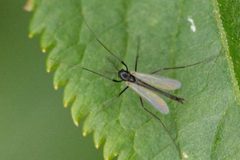
3Paratendipes is a widespread of non-biting midges in the Chironomidae, established by Kieffer in 1911. The genus belongs to the 'Microtendipes' group within tribe Chironomini. occur in Europe, North America, Australia, and New Zealand. Larvae are aquatic and inhabit freshwater systems. males possess distinctive genitalic structures useful for species identification.
Pronunciation
How to pronounce Paratendipes: /ˌpærəˈtɛndɪpiːz/
These audio files are automatically generated. While they are not always 100% accurate, they are a good starting point.
Identification
males can be distinguished by the form of tibial apices and the structures of superior and volsellae in the genitalia. Larvae possess a 6-segmented with Lauterborn organs on the 2nd and 3rd segments, and a well-demarcated, multi-toothed ventromentum. Pupae have a few-branched thoracic horn; the distribution of taeniate L-setae is informative for identification.
Images
Habitat
Freshwater aquatic systems, including headwater streams. Larvae are aquatic and inhabit benthic environments.
Distribution
Widespread: Europe (including Denmark, Norway, Sweden), North America (Michigan, USA), Australia, and New Zealand.
Life Cycle
Complete with , larva, pupa, and stages. stages are aquatic. All life stages have been described for some , including Paratendipes sinespina. Growth patterns have been documented for P. albimanus in temperate stream environments.
Similar Taxa
- MicrotendipesParatendipes is placed in the 'Microtendipes' group based on larval ; both share 6-segmented with Lauterborn organs and multi-toothed ventromentum, but differ in male genitalic structures.
- PaucispinigeraBoth are Chironomini with similar larval features, but Paucispinigera lacks setae on the squama and has unusual wing venation with setose M1+2 in both sexes; warrants independent generic rank.
- ParaborniellaBoth Australian in Chironomini with similar stage , but Paraborniella is endemic to Australia while Paratendipes is widespread; each warrants independent generic rank.
Sources and further reading
- BugGuide
- Wikipedia
- GBIF taxonomy match
- iNaturalist taxon
- NCBI Taxonomy
- Catalogue of Life
- Life History and Growth Pattern of Paratendipes albimanus in a Michigan Headwater Stream1,2
- Life histories of Paucispinigera Freeman, Paraborniella Freeman and Paratendipes Kieffer (Diptera: Chironomidae) with phylogenetic considerations