
Hyporhygma
Reiss, 1982
Species Guides
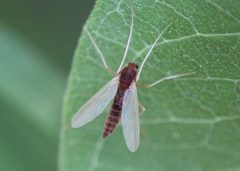
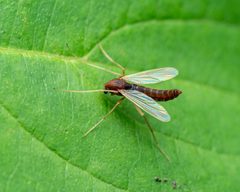
1Hyporhygma is a of non-biting midges (Chironomidae) described by Reiss in 1982. As a member of this large dipteran , are characterized by reduced mouthparts and aquatic larval stages. The genus is part of the diverse fauna found in freshwater worldwide.
Pronunciation
How to pronounce Hyporhygma: /hɪpoʊˈrɪɡmə/
These audio files are automatically generated. While they are not always 100% accurate, they are a good starting point.
Identification
Hyporhygma can be distinguished from other through detailed examination of genitalia and larval morphological characters, particularly features of the hypopygium and . Specific diagnostic traits require taxonomic knowledge of the Chironomidae.
Images
Habitat
Larvae develop in freshwater aquatic environments, consistent with the Chironomidae. Specific microhabitat preferences within this remain poorly documented.
Distribution
Distribution records are limited; the has been documented from multiple regions based on iNaturalist observations, though precise range boundaries are not established.
Life Cycle
follows the typical pattern: , four larval instars, pupa, and . Larvae are aquatic and undergo complete . Specific developmental details for Hyporhygma are not documented.
Ecological Role
As part of the Chironomidae , larvae likely function as and contribute to nutrient cycling in freshwater . may serve as food for including birds, bats, and spiders.
Similar Taxa
- Other Chironomidae generaDistinguished by subtle morphological differences in genital structures and antennal segmentation requiring microscopic examination.
More Details
Taxonomic notes
The was established by Reiss in 1982. As with many genera, -level and remain poorly known outside literature.