
Jenkinshelea
Macfie, 1934
Species Guides
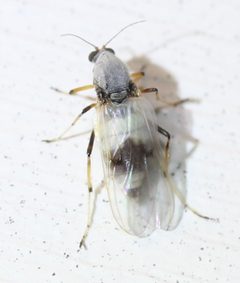
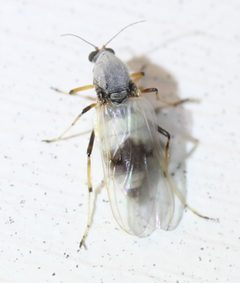
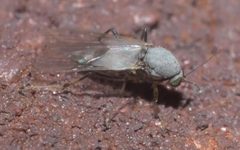
1Jenkinshelea is a of biting midges ( Ceratopogonidae) established by Macfie in 1934. The genus contains approximately 18 described , placing it within the tribe Sphaeromiini of the Ceratopogoninae. Like other ceratopogonids, members are small, blood-feeding or predatory flies, though species-level remains poorly documented.
Pronunciation
How to pronounce Jenkinshelea: //ˈdʒɛŋ.kɪnz.hiˈliːə//
These audio files are automatically generated. While they are not always 100% accurate, they are a good starting point.
Identification
Separation from other Sphaeromiini requires examination of genitalic and wing venation patterns, particularly the arrangement of wing and presence or absence of macrotrichia on wing . The genus lacks the distinctive separation patterns seen in some related ceratopogonine genera. Specific identification to level demands slide-mounted specimens and reference to original species descriptions.
Images
Human Relevance
Members of this are biting midges and may function as nuisance pests or potential , though no of Jenkinshelea has been documented as a significant vector of human or livestock . Specific medical or veterinary importance remains uncharacterized due to limited study.
Similar Taxa
- SphaeromiasAlso placed in tribe Sphaeromiini; distinguished by differences in male genitalia structure and wing proportions
- SerromyiaOverlapping distribution and use; Serromyia typically show distinct palpal segment ratios and patterns not seen in Jenkinshelea
- PalpomyiaSimilar general within Ceratopogoninae; Palpomyia possesses characteristic tarsal claw structures and wing microtrichia patterns that differ from Jenkinshelea
More Details
Taxonomic history
The was erected by Scottish entomologist John Macfie in 1934 based on specimens from the Neotropical region. The generic placement within Sphaeromiini reflects shared derived characters of the male genitalia, though tribal boundaries within Ceratopogoninae remain subject to revision as molecular phylogenetic data become available.
Species diversity
With approximately 18 described , Jenkinshelea represents a moderately diverse within the Ceratopogonidae. The actual is likely underestimated due to the specialized collecting methods required for these small insects and limited taxonomic effort in many regions.