
Monoclona
Mik, 1886
fungus gnats
Species Guides
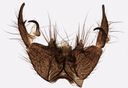
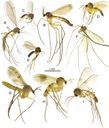
1Monoclona is a of fungus gnats in the Mycetophilidae, comprising approximately 18 described . The genus was established by Mik in 1886 and belongs to the Sciophilinae. At least one species, Monoclona carambeiensis, has been described from the Neotropical region with complete documentation. The genus has been recorded in Europe (Denmark, Norway, Sweden) and South America (Brazil).
Pronunciation
How to pronounce Monoclona: //ˌmɒnəˈkloʊnə//
These audio files are automatically generated. While they are not always 100% accurate, they are a good starting point.
Images
Habitat
Humid environments associated with decaying wood, lichens, and fungi. stages have been collected from decaying wood with fungal growth.
Distribution
Europe: Denmark, Norway, Sweden. South America: Brazil (Paraná state, first record for the ).
Diet
forms feed on fungus fruiting bodies; this has been observed in Mycetophilidae generally and inferred from collection substrates for Monoclona .
Life Cycle
Complete with , larval, pupal, and stages. For Monoclona carambeiensis, immatures were reared in laboratory from decaying wood to emerged adult male.
Ecological Role
Associated with decomposition of decaying wood and fungal ; stages contribute to nutrient cycling through consumption of fungal fruiting bodies.
More Details
Taxonomic history
First described by Mik in 1886. The belongs to Sciophilinae within Mycetophilidae.
Research significance
Monoclona carambeiensis represents the first stages described for any Neotropical Monoclona and only the third Neotropical Mycetophilidae species with complete documentation, despite the containing over 1,100 known species in the region.
Sources and further reading
- BugGuide
- Wikipedia
- GBIF taxonomy match
- iNaturalist taxon
- NCBI Taxonomy
- Catalogue of Life
- Top Undergrad Poster at UC Davis Chemistry Symposium: Marijuana Research | Bug Squad
- An unknown world in the Neotropical region: a complete life cycle of a new species of Monoclona Mik, 1886 (Diptera: Mycetophilidae: Sciophilinae)