
Mycomyinae
fungus gnats
Genus Guides
2- Mycomya(fungus gnats)
- Neoempheria(fungus gnats)
Mycomyinae is a of fungus gnats within the Mycetophilidae, comprising 10 and over 600 as of 2025. Members are distinguished by specific wing venation patterns, absence of the middle ocellus, and unique pupal with immobile, heavily sclerotized . The subfamily is in distribution and primarily associated with fungal .

Pronunciation
How to pronounce Mycomyinae: //ˌmaɪkoʊˈmaɪɪniː//
These audio files are automatically generated. While they are not always 100% accurate, they are a good starting point.
Identification
Distinguished from other Mycetophilidae and mycetophiloid by: (1) M and Cu fork separately to wing base, (2) fine tibial setae in regular rows, (3) middle ocellus absent, (4) absent, and (5) wing without macrotrichia. Pupal stage identifiable by immobility, heavily sclerotized , and pedothecae tightly to body.
Images
Appearance
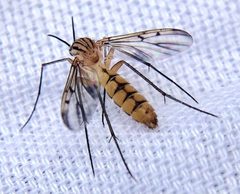
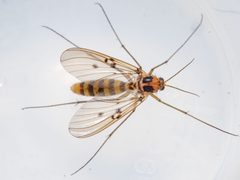
are small, delicate flies typical of fungus gnats. Wing venation diagnostic: M (media) and Cu (cubitus) fork separately to the wing base. Wing lacks macrotrichia. Tibiae bear fine setae arranged in regular rows. Middle ocellus absent. absent on . Pupa immobile with distinctly strengthened ; pedothecae (leg ) tightly bound to body.
Habitat
Associated with fungal environments; larvae typically develop in decaying wood, bracket fungi, and other fungal substrates. Specific microhabitat preferences vary by .
Distribution
distribution with records from multiple continents. Precise range boundaries undefined due to taxonomic complexity and undercollection.
Seasonality
activity patterns vary by and latitude; generally active during humid periods conducive to fungal growth. Specific seasonal data not compiled at level.
Life Cycle
Complete with , larva, pupa, and stages. Larvae develop in fungal substrates. Pupal stage characterized by immobility and heavily strengthened with pedothecae bound to body.
Behavior
poorly documented at level. Larval behavior inferred from association: burrowing or grazing within fungal substrates.
Ecological Role
Larvae function as decomposers in fungal-based , processing decaying wood and fungal tissues. Specific ecological interactions with fungi and other organisms require further study.
Human Relevance
No documented direct economic or medical significance. Occasional specimens encountered in biodiversity surveys and ecological studies of forest .
Similar Taxa
- Other Mycetophilidae subfamiliesDifferentiated by wing venation (M and Cu fork separately to base in Mycomyinae versus other patterns), tibial setae arrangement, ocellus configuration, and pupal
More Details
Taxonomic composition
Contains 10 : Dinempheria, Echinopodium, Moriniola, Mycoleia, Mycomya, Mycomyiella, Neoempheria, Parempheriella, Syndocosia, and Viridivora. Genus Vecella synonymized with Parempheriella in 2025.