Neolasioptera vitinea
(Felt, 1907)
Grape Leaf Petiole Gall
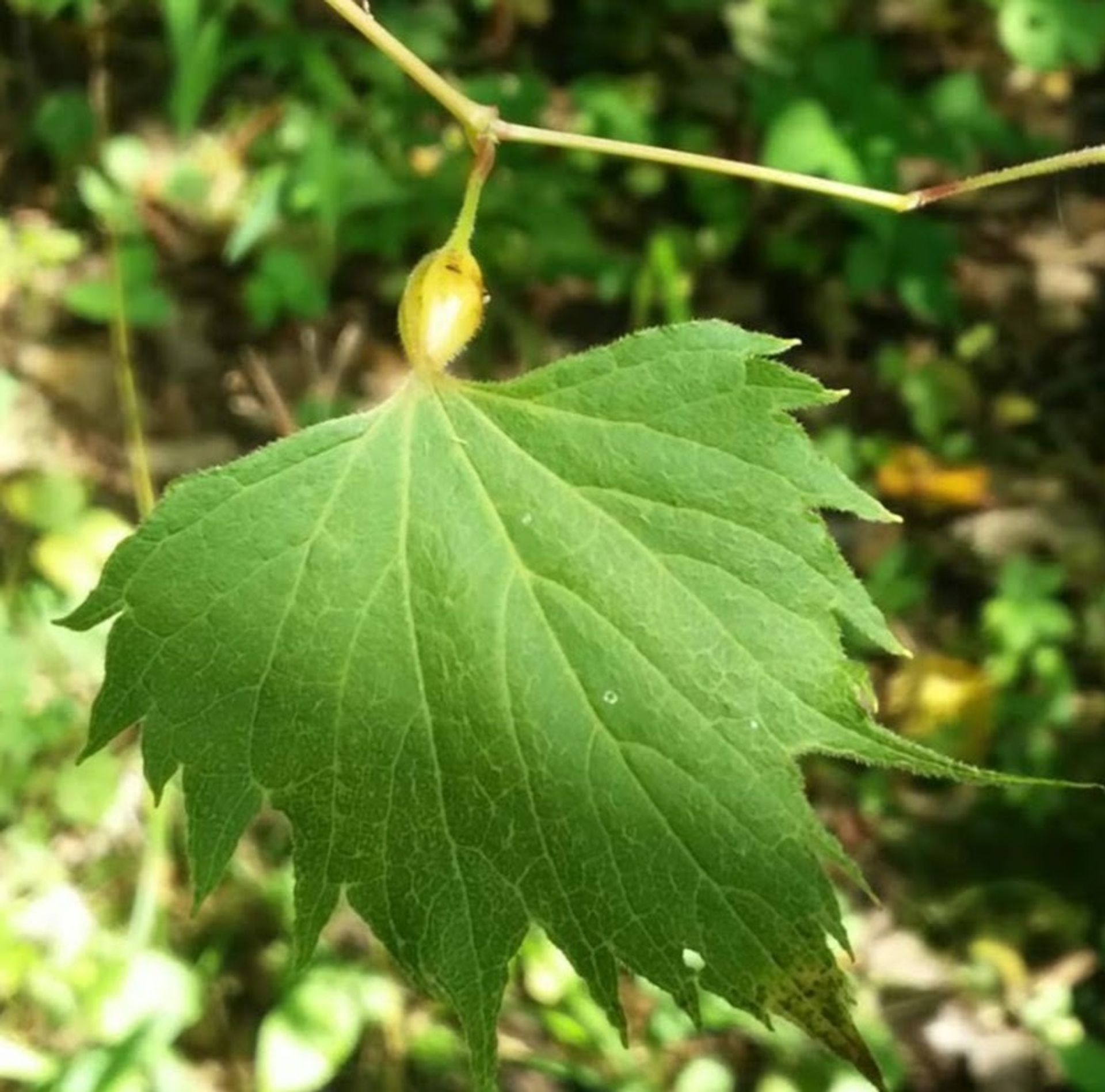
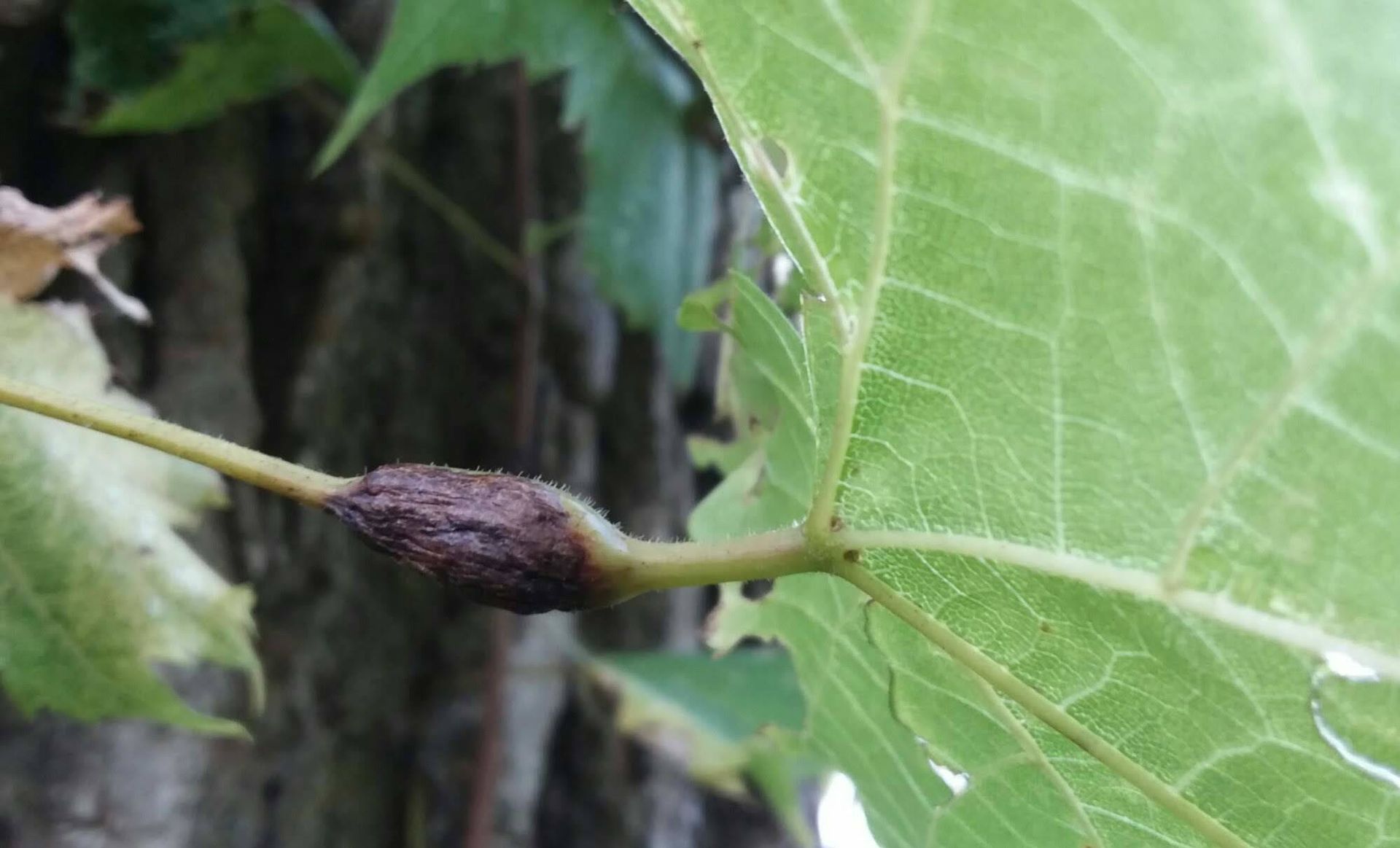
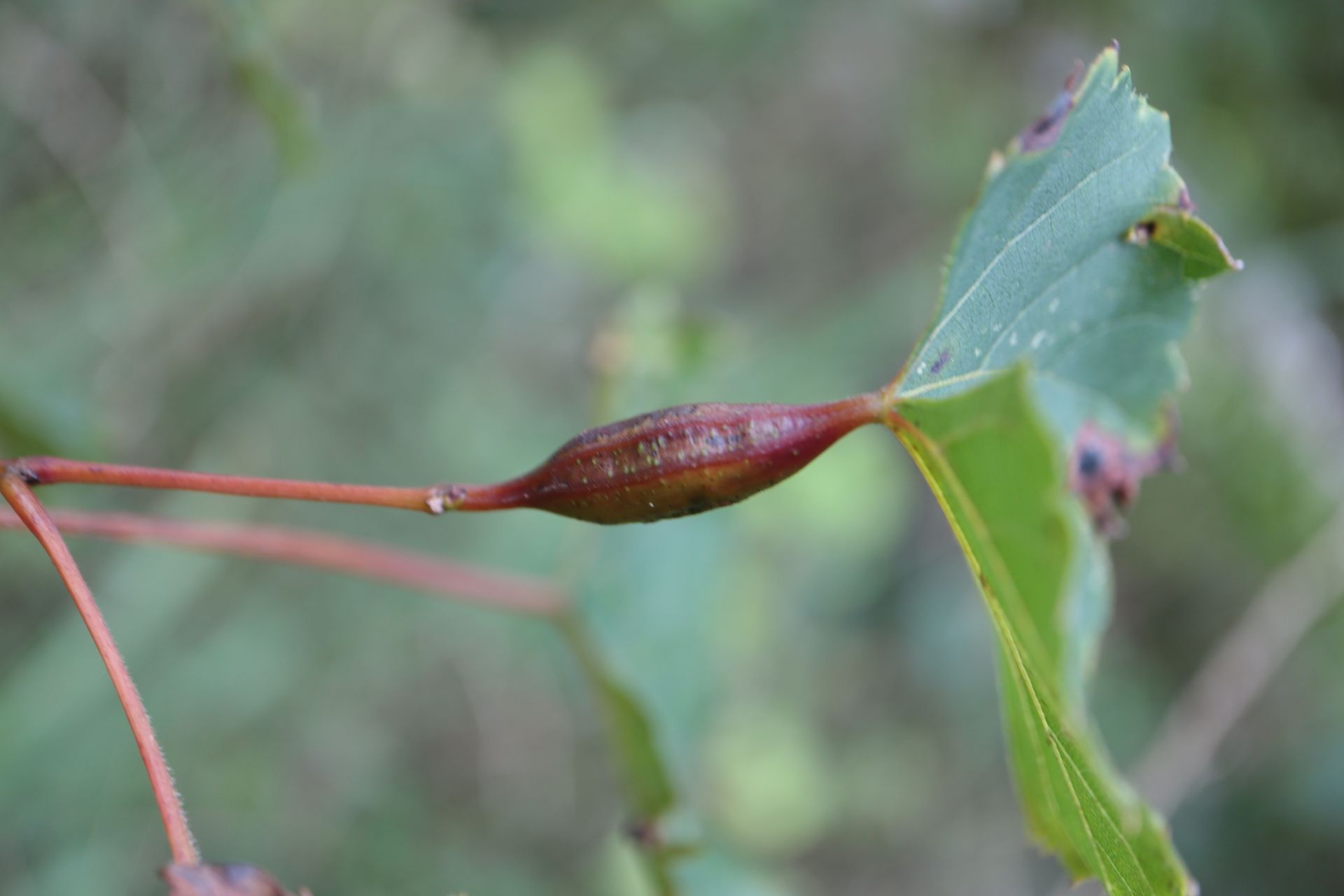
Neolasioptera vitinea is a gall midge in the Cecidomyiidae. It is known for inducing galls on grape leaf petioles, as indicated by its . The species was described by Felt in 1907. Observations on iNaturalist suggest it is moderately well-documented, with over 600 records.
Pronunciation
How to pronounce Neolasioptera vitinea: //niːoʊˌlæsiˈɒptərə ˈvɪtɪniːə//
These audio files are automatically generated. While they are not always 100% accurate, they are a good starting point.
Identification
Identification relies on association with its characteristic gall formation on grape leaf petioles. gall midges in this are typically small, delicate flies with reduced wing venation and bead-like . Specific morphological features distinguishing N. vitinea from require examination.
Images
Habitat
Associated with grape plants (Vitis ), occurring where plants grow in suitable conditions.
Distribution
Recorded from the United States, specifically including Vermont. Distribution likely corresponds to range of grape in North America.
Host Associations
- Vitis - gall induction on leaf petioles indicates specific gall formation on grape leaf petioles
Ecological Role
As a gall inducer, modifies plant tissue to create protected feeding and development sites. This represents a form of plant-parasitic interaction.
Human Relevance
Potential minor agricultural significance through gall formation on grape plants, though economic impact is not well documented.
Similar Taxa
- Other Neolasioptera species may also induce galls on Vitaceae; differentiation requires examination of gall and location, plus morphological characters
- Other Cecidomyiidae on VitisMultiple gall midge may utilize grape plants; specific gall location (leaf petiole) and form help distinguish N. vitinea
More Details
Gall morphology
The 'Grape Leaf Petiole Gall' indicates galls form specifically on petioles rather than leaf blades, stems, or other plant parts. This location specificity aids field identification.