
Resseliella tulipiferae
(Osten Sacken, 1862)
Resseliella tulipiferae is a gall midge in the Cecidomyiidae, first described by Osten Sacken in 1862. It belongs to the Resseliella, which includes several species associated with woody plants. The species epithet "tulipiferae" indicates an association with tulip trees (Liriodendron tulipifera). Unlike the recently described Resseliella maxima, which is a significant agricultural pest of soybean, R. tulipiferae appears to be associated with native forest trees rather than cultivated crops.
Pronunciation
How to pronounce Resseliella tulipiferae: //ˌrɛsɛliˈɛlə ˌtjuːləˈpɪfəri//
These audio files are automatically generated. While they are not always 100% accurate, they are a good starting point.
Identification
Resseliella tulipiferae can be distinguished from the soybean gall midge (Resseliella maxima) by association and geographic context. R. maxima is restricted to soybean fields in the north-central United States and has not been found elsewhere. R. tulipiferae, described over 150 years earlier, is associated with tulip poplar. Specific morphological diagnostic features for separating R. tulipiferae from other Resseliella require examination of genitalia and larval characteristics not detailed in available sources.
Images
Distribution
The has been documented in North America, with iNaturalist observations indicating presence in the eastern United States. The type locality and precise native range have not been fully characterized in available sources.
Diet
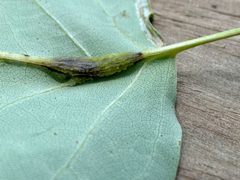
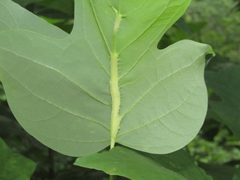
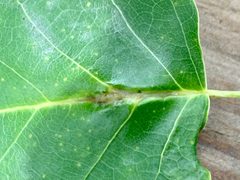
Larvae feed internally on plant tissue, forming galls on tulip poplar (Liriodendron tulipifera).
Host Associations
- Liriodendron tulipifera - Tulip poplar; specific gall and location on plant not detailed in available sources.
Ecological Role
As a gall-forming insect, R. tulipiferae induces plant tissue proliferation that creates protected microhabitats for larval development. The ecological impacts of this gall formation on tree and broader interactions have not been quantified.
Similar Taxa
- Resseliella maximaCongeneric recently described as the soybean gall midge, a major agricultural pest. R. maxima is restricted to soybean fields in the north-central United States, while R. tulipiferae is associated with native tulip poplar trees and was described over 150 years earlier.
More Details
Taxonomic Note
The Resseliella has gained recent attention due to the of R. maxima as a significant soybean pest. This highlights the importance of accurate identification within the genus, as congeneric species may have vastly different ecological roles—from native forest associates to agricultural pests.
Sources and further reading
- BugGuide
- GBIF taxonomy match
- iNaturalist taxon
- Catalogue of Life
- From curiosity to control: A new wasp joins the fight against soybean gall midge | Blog
- From Curiosity to Control: A New Wasp Joins the Fight Against Soybean Gall Midge
- Soybean Gall Midge: Discovery of a Delicate and Destructive New Species
- An Old Trick for a New Pest: Well-Timed Hilling Stymies Soybean Gall Midge
- New species of parasitic wasp associated with soybean pest