Macrodiplosis erubescens
(Osten Sacken, 1862)
Marginal Leaf Fold Gall Midge
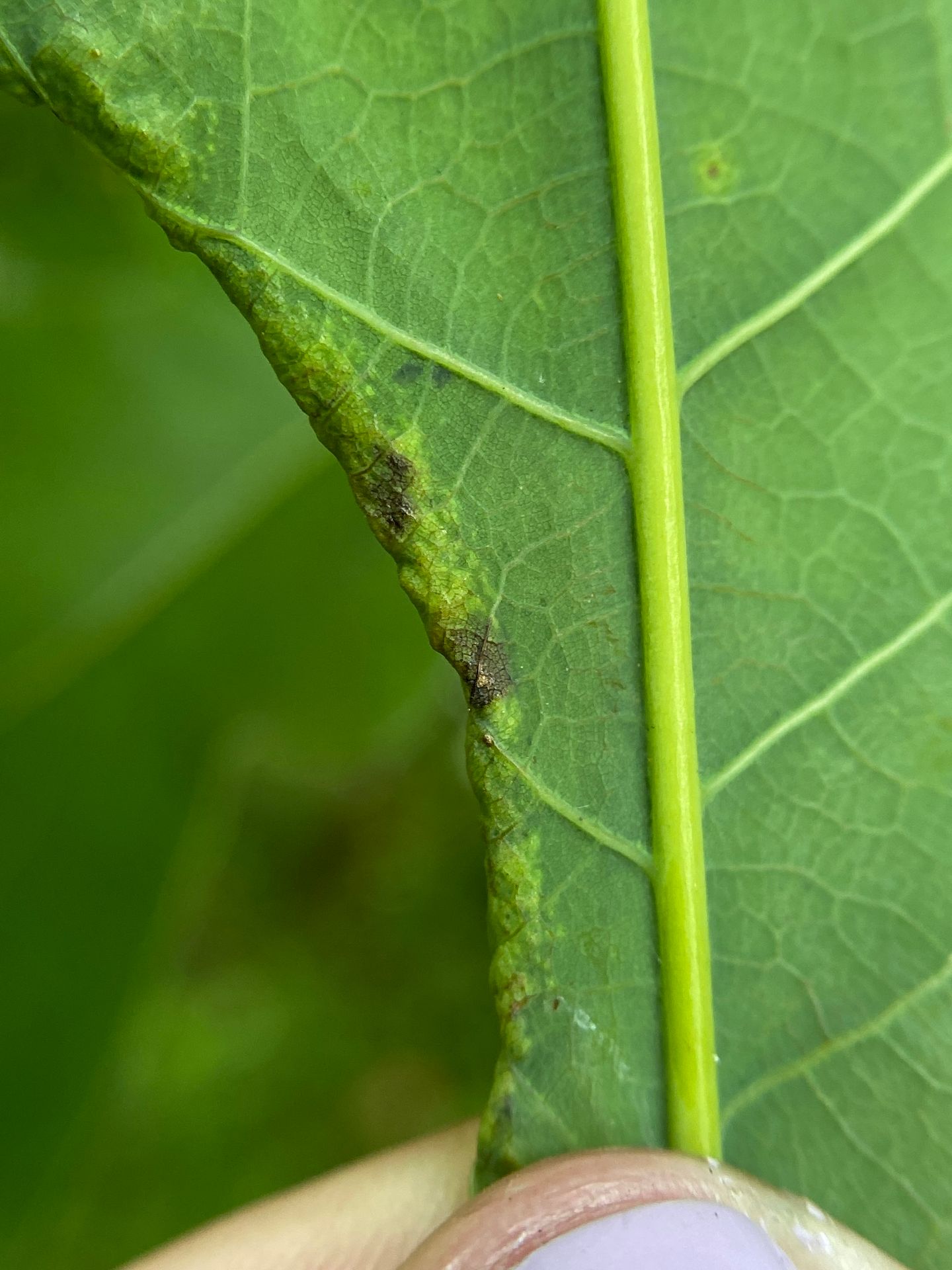
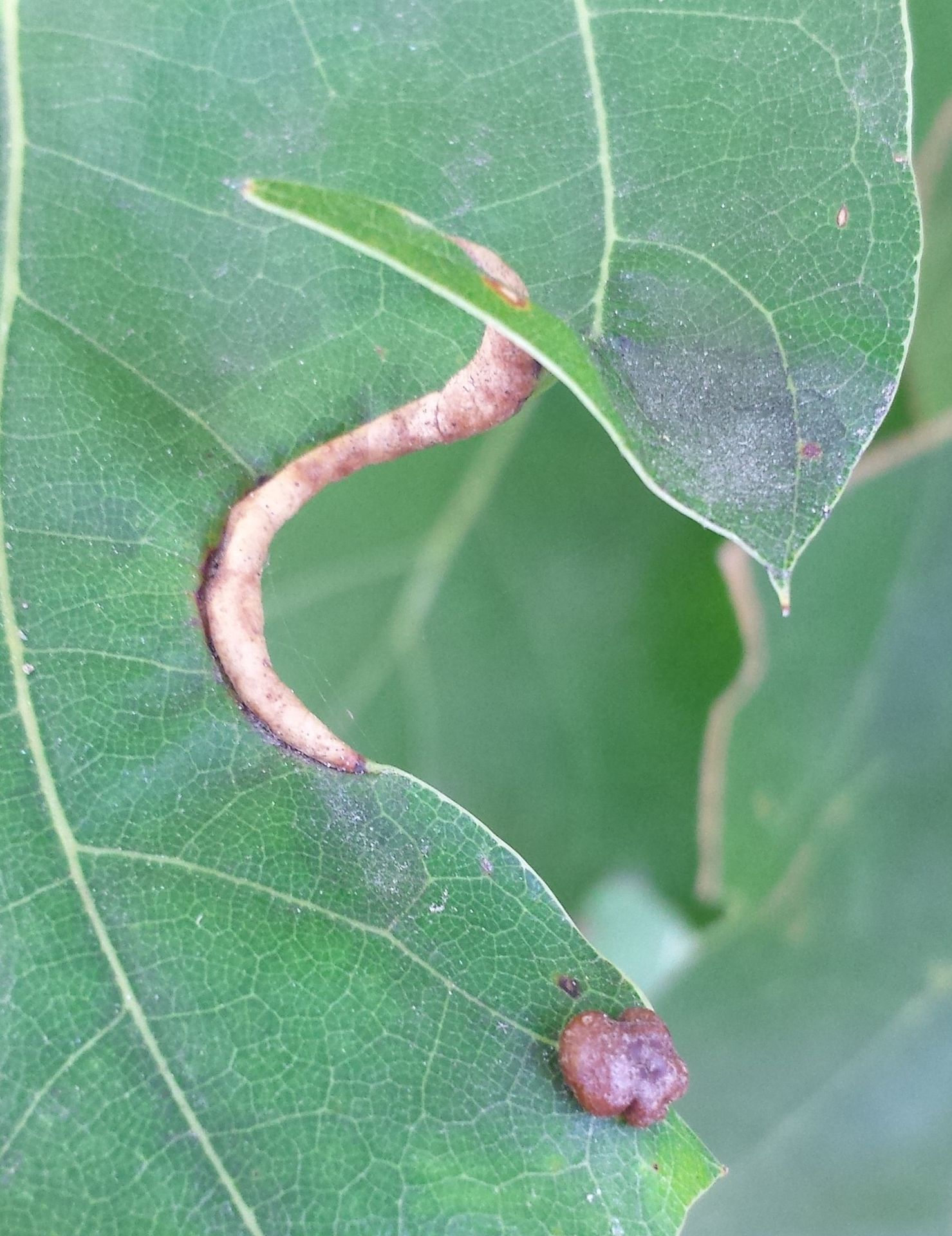
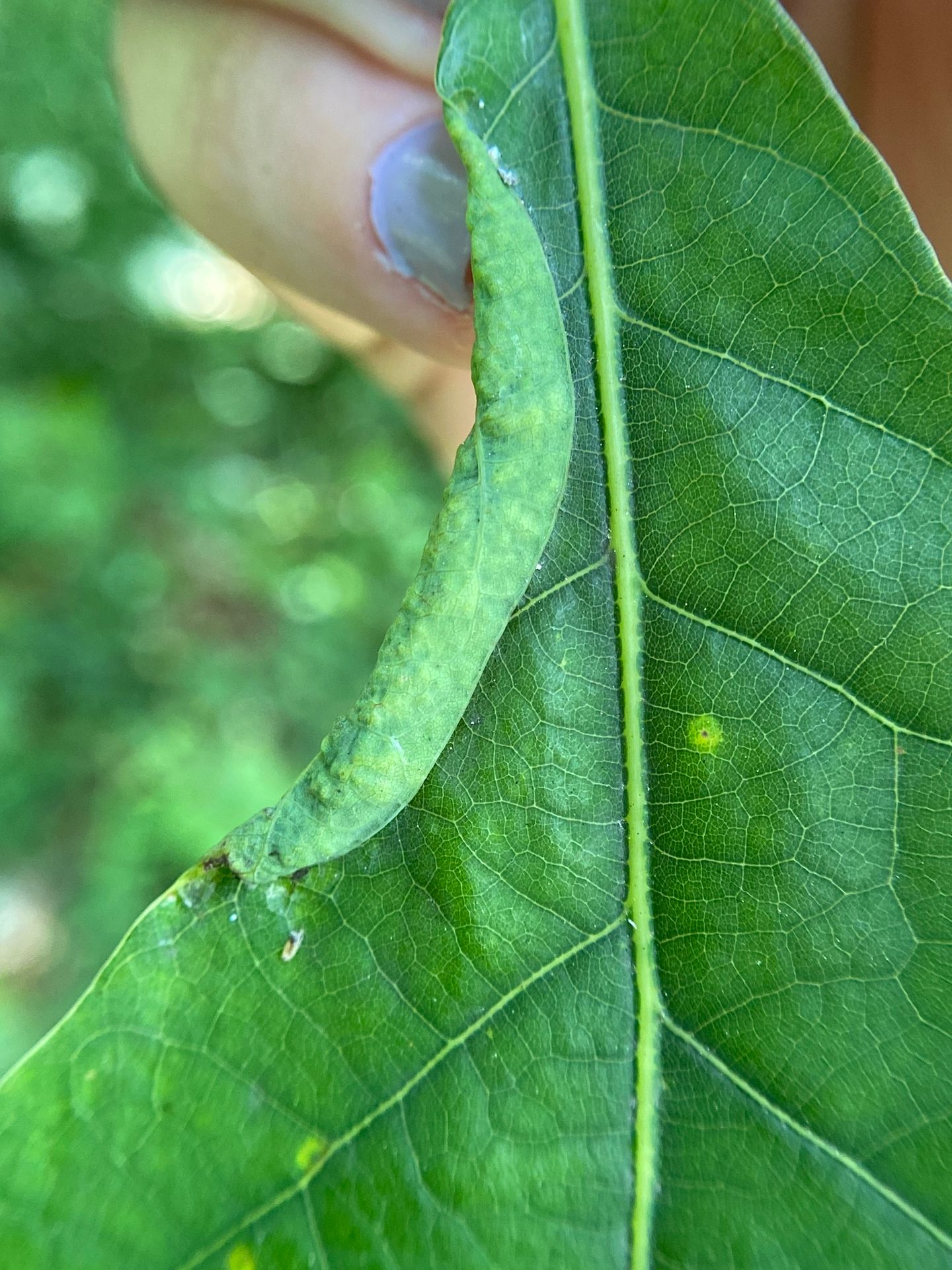
Macrodiplosis erubescens is a gall midge in the Cecidomyiidae, commonly known as the Marginal Leaf Fold Gall Midge. The induces distinctive galls on oak leaves, specifically causing the leaf margins to fold or roll inward. It has been documented primarily in eastern North America. The specific epithet 'erubescens' refers to a reddish or blushing coloration, likely describing the gall or larval appearance.
Pronunciation
How to pronounce Macrodiplosis erubescens: /ˌmæk.roʊ.dɪˈploʊ.sɪs ˌɪr.ʊˈbɛs.ɛnz/
These audio files are automatically generated. While they are not always 100% accurate, they are a good starting point.
Identification
Distinguished from other Macrodiplosis by the specific gall : marginal leaf fold galls on oaks rather than other gall types. The gall's location on leaf margins and the association with Quercus species are key diagnostic features. require microscopic examination for definitive species identification.
Images
Appearance
are small, delicate flies typical of gall midges, with reduced wing venation and long, slender legs. The larvae are maggot-like, legless, and pale in color. The induced galls appear as folded or rolled leaf margins on oak leaves, often with reddish discoloration.
Habitat
Deciduous forests and woodlands containing oak trees (Quercus spp.), particularly in areas with abundant white oak group . Larval development occurs within the protected environment of the folded leaf margin.
Distribution
Eastern North America; documented from Vermont and other parts of the United States. Distribution corresponds with the range of suitable oak .
Seasonality
and gall formation occur during the growing season when oak leaves are young and expanding. Specific timing varies with latitude and local climate conditions.
Diet
Larvae feed on plant tissue within the gall, inducing and consuming the proliferated of the folded leaf margin. The exact nutritional relationship with tissue has not been detailed in published sources.
Host Associations
- Quercus - gall inducerSpecific oak not confirmed in available sources; likely members of the white oak group based on gall midge patterns
Life Cycle
Holometabolous development with , larva, pupa, and stages. Eggs are deposited on young oak leaves. Larvae induce gall formation and develop within the folded leaf margin. occurs within the gall or in soil. Detailed and voltinism have not been established.
Behavior
Larvae are sedentary, remaining within the protective gall structure. are weak fliers with brief lifespans focused on . Specific mating or oviposition have not been described.
Ecological Role
As a gall inducer, modifies plant tissue and creates a microhabitat that may support or . The ecological impacts on oak and broader interactions remain unstudied.
Human Relevance
No documented economic or medical significance. Occasionally encountered by naturalists and entomologists studying plant-insect interactions. The galls may attract interest from those observing oak leaf .
Similar Taxa
- Macrodiplosis qorquaAnother Macrodiplosis that induces galls on oaks; distinguished by gall and location on the leaf
- Other Cecidomyiidae on oaksNumerous gall midge induce various gall types on oaks; M. erubescens is specifically identified by the marginal leaf fold gall structure
More Details
Nomenclature
Described by Osten Sacken in 1862, making it one of the earlier described North American gall midges. The specific epithet 'erubescens' (Latin: becoming red, blushing) likely refers to coloration of the gall or larva.
Observation Data
iNaturalist records indicate substantial citizen science documentation (955+ observations), suggesting the is relatively conspicuous due to its distinctive gall formation on common trees.