
Parallelodiplosis subtruncata
(Felt, 1907)
Dogwood Eyespot Gall Midge
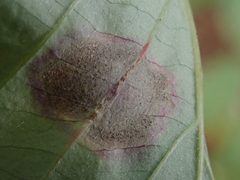
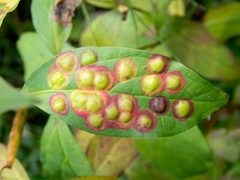
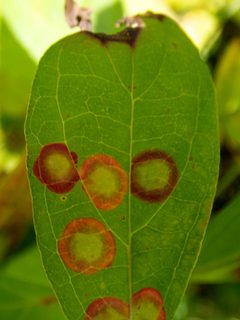
Parallelodiplosis subtruncata is a gall midge in the Cecidomyiidae. The is known for inducing distinctive eyespot galls on dogwood foliage. It was first described by Ephraim Porter Felt in 1907. The reflects both its association and the characteristic gall .
Pronunciation
How to pronounce Parallelodiplosis subtruncata: /pæˌræləloʊdɪˈploʊsɪs ˌsʌbtrʌŋˈkɑːtə/
These audio files are automatically generated. While they are not always 100% accurate, they are a good starting point.
Identification
Identified by the presence of its characteristic eyespot galls on dogwood leaves; the galls appear as small, raised, circular spots with dark centers resembling . The is minute and unlikely to be encountered or identified without specialized examination. Gall and plant association are the primary field identification criteria.
Images
Habitat
Associated with dogwood (Cornus) plants in forested and woodland , as well as suburban and rural areas where dogwoods occur.
Distribution
Recorded from the northeastern United States, specifically Vermont and surrounding regions. Distribution likely corresponds with the range of its dogwood plants.
Host Associations
- Cornus - plantinduces eyespot galls on foliage
Ecological Role
As a gall inducer, modifies plant tissue to create protected microhabitats for larval development. The ecological impacts on host plant and broader interactions have not been quantified.
Human Relevance
The galls are primarily of aesthetic concern on ornamental dogwoods; no significant economic or medical importance has been documented.
Similar Taxa
- Other Cecidomyiidae on CornusMultiple gall midge induce galls on dogwoods; eyespot gall distinguishes P. subtruncata from other gall types such as club galls or spindle galls
More Details
Nomenclature
The epithet 'subtruncata' and original description by Felt (1907) reflect early 20th century cecidomyiid . The Parallelodiplosis contains multiple species associated with various plants.