
Parallelodiplosis
Rübsaamen, 1910
Species Guides
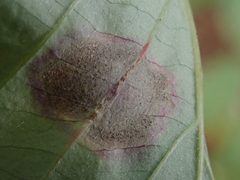
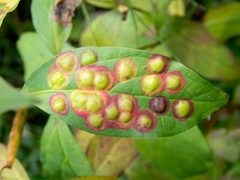
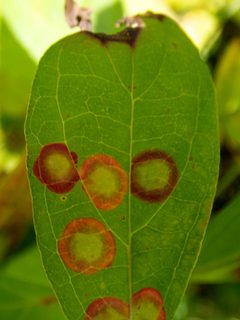
1- Parallelodiplosis subtruncata(Dogwood Eyespot Gall Midge)
Parallelodiplosis is a of gall midges in the Cecidomyiidae, described by Rübsaamen in 1910. The genus contains at least 20 described . Like other cecidomyiids, these are small, delicate flies whose larvae induce gall formation on plants. The genus is distributed across northern Europe and North America.
Pronunciation
How to pronounce Parallelodiplosis: //ˌpærəˌlɛloʊdaɪˈploʊsɪs//
These audio files are automatically generated. While they are not always 100% accurate, they are a good starting point.
Identification
Identification to requires examination of morphological features including structure, wing venation, and genitalia. As with most cecidomyiid genera, definitive identification typically requires microscopic examination and comparison with . The genus name refers to the parallel arrangement of certain morphological structures, though specific diagnostic characters distinguishing Parallelodiplosis from related gall midge genera require taxonomic knowledge.
Images
Distribution
Recorded from Denmark (DK), Norway (NO), Sweden (SE), and the United States (specifically Vermont). The has a transatlantic distribution spanning northern Europe and eastern North America.
Life Cycle
As with all Cecidomyiidae, development includes , larval, pupal, and stages. Larvae are gall-formers on plant , though specific host plants for most Parallelodiplosis remain undocumented.
Ecological Role
Larvae function as gall inducers, causing abnormal plant growth that provides protected feeding sites. This interaction represents a specialized plant-herbivore relationship characteristic of the Cecidomyiidae.
Similar Taxa
- ContariniaBoth are of gall midges in Cecidomyiidae with similar ; differentiation requires examination of antennal structure and genital
- DasineuraAnother large cecidomyiid with gall-forming larvae; morphological distinctions in wing venation and male terminalia separate the genera
More Details
Taxonomic history
The was established by Rübsaamen in 1910. The 23 currently recognized in the genus have been documented through multiple data sources including ITIS, Catalogue of Life, GBIF, and BugGuide.net.