
Thecodiplosis brachynteroides
(Osten Sacken, 1862)
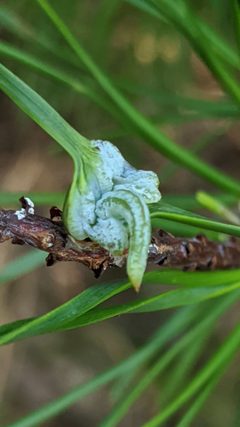
Thecodiplosis brachynteroides is a of gall midge in the Cecidomyiidae, described by Osten Sacken in 1862. Gall midges in this family are small, delicate flies whose larvae induce gall formation on plants. The Thecodiplosis is associated with conifer hosts, particularly pines.
Pronunciation
How to pronounce Thecodiplosis brachynteroides: //ˌθiːkoʊdɪˈploʊsɪs ˌbrækɪnˈtɛrɔɪdiːz//
These audio files are automatically generated. While they are not always 100% accurate, they are a good starting point.
Identification
As a member of Cecidomyiidae, this is extremely small-bodied with long, slender legs and thread-like bearing of setae. Species-level identification requires examination of genitalia and larval ; the specific epithet brachynteroides refers to resemblance in wing venation or body form to the Brachyneura.
Images
Habitat
Associated with pine forests and coniferous woodlands where trees occur.
Distribution
North America; recorded from the United States based on the original description and subsequent collection records.
Host Associations
- Pinus - gall induction Thecodiplosis is associated with pine ; specific records for this species require verification
Ecological Role
Larvae induce galls on plant tissue, potentially affecting pine needle development. Gall formation represents a parasitic interaction that may influence host plant growth rates.
Similar Taxa
- Thecodiplosis piniradiataeCongeneric also associated with pines; distinguished by gall and structural features
- CecidomyiaOther gall midge induce similar needle galls on conifers; requires examination of larval mouthparts and wing venation for separation