
Blaesodiplosis crataegifolia
(Felt, 1907)
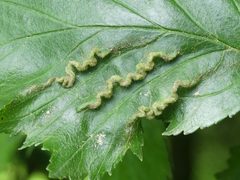
Blaesodiplosis crataegifolia is a of gall midge in the Cecidomyiidae, first described by Felt in 1907. As a member of this family, it is presumed to induce galls on plant tissue, though specific associations require verification. The species has been documented in the northeastern United States.
Pronunciation
How to pronounce Blaesodiplosis crataegifolia: /bleɪsoʊdɪˈploʊsɪs krəˌtiːdʒɪˈfoʊliə/
These audio files are automatically generated. While they are not always 100% accurate, they are a good starting point.
Images
Distribution
Documented in Vermont, United States. Distribution records from GBIF indicate occurrence in the US, with iNaturalist observations supporting northeastern North American presence.
Host Associations
- Crataegus - presumedSpecific epithet 'crataegifolia' suggests association with hawthorn (Crataegus), but this requires direct verification from original description or gall literature.
More Details
Etymology
The specific epithet 'crataegifolia' combines 'Crataegus' (hawthorn ) with Latin 'folia' (leaves), suggesting the was described from leaf galls on hawthorn, though the original description by Felt (1907) should be consulted for confirmation.