
Blaesodiplosis
Gagné, 1973
Species Guides
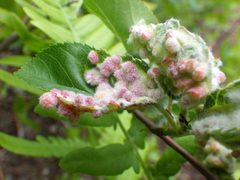
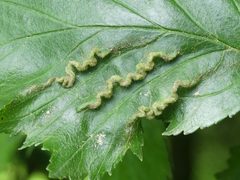
1Blaesodiplosis is a of gall midges in the Cecidomyiidae, established by Gagné in 1973. The genus contains at least four described , including species associated with hawthorn (Crataegus). Like other gall midges, members of this genus are presumed to induce gall formation on plants, though specific biological details remain limited.
Pronunciation
How to pronounce Blaesodiplosis: //ˌbleɪsoʊdɪˈploʊsɪs//
These audio files are automatically generated. While they are not always 100% accurate, they are a good starting point.
Identification
are minute flies, typically 1-5 mm in length, with reduced wing venation characteristic of Cecidomyiidae. have bead-like segments with circumfilar loops. -level identification requires examination of male genitalia and larval ; the is distinguished from related cecidomyiids by genitalic and pupal characteristics described in Gagné's 1973 revision.
Images
Habitat
Associated with woody plants, particularly hawthorn (Crataegus ), in temperate North American environments. Specific microhabitat preferences for individual species are not well documented.
Distribution
North America; records include the United States (Vermont and other states) and Canada. The appears to be primarily Nearctic in distribution.
Host Associations
- Crataegus - gall inductionBlaesodiplosis crataegibedeguar and B. crataegifolia are associated with hawthorn
Ecological Role
As gall inducers, in this modify plant tissue growth, creating microhabitats that may support associated . The ecological significance of these interactions has not been quantified.
Similar Taxa
- CecidomyiaAlso gall-inducing cecidomyiids on woody plants; distinguished by genitalic and pupal characteristics
- DasineuraSimilar gall midge on Rosaceae; requires dissection of male genitalia for definitive separation
More Details
Species composition
The includes B. canadensis, B. crataegibedeguar, B. crataegifolia, and B. venae. The specific epithet 'crataegibedeguar' refers to the bedeguar gall form on hawthorn.
Taxonomic history
Established by Gagné in 1973 during his revision of Nearctic cecidomyiids, reclassifying previously placed in other .