
Asphondylia ratibidae
Felt, 1935
Prairie Coneflower Gall Midge
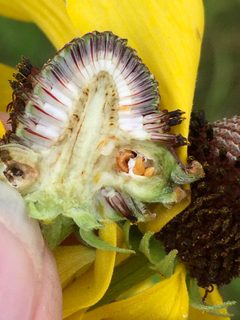
Asphondylia ratibidae is a gall midge in the Cecidomyiidae. Like other members of the Asphondylia, this induces galls on its plant. The specific epithet 'ratibidae' indicates an association with plants in the genus Ratibida, commonly known as prairie coneflowers. Gall midges in this genus are highly specialized, with each species typically restricted to a single host plant species or genus.
Pronunciation
How to pronounce Asphondylia ratibidae: //æs.fɒnˈdɪ.li.ə ræˈtɪ.bɪ.diː//
These audio files are automatically generated. While they are not always 100% accurate, they are a good starting point.
Images
Host Associations
- Ratibida - gall induction plant ; specific epithet indicates association with prairie coneflowers
Ecological Role
Induces galls on plants, serving as a herbivore. The galls provide shelter and food for developing larvae.
Similar Taxa
- Asphondylia ilicicolaSame ; holly berry midge induces fruit galls on American holly rather than flower/vegetative galls on prairie coneflower
- Other Asphondylia speciesApproximately 15+ in , each typically specialized to single plant; identification requires host association and gall
Sources and further reading
- BugGuide
- Wikipedia
- GBIF taxonomy match
- iNaturalist taxon
- Catalogue of Life
- Deck the halls with boughs of holly adorned with cheery red and green berries! Green is good for holly berry midge, Asphondylia ilicicola — Bug of the Week
- Deck the halls with boughs of holly…and the Native holly leafminer, 'Phytomyza ilicicola', and Holly berry midge, 'Asphondylia ilicicola' — Bug of the Week
- Green is good - Holly berry midge, Asphondylia ilicicola — Bug of the Week
- Green is good for holly berry midge, Asphondylia ilicicola — Bug of the Week
- The Insects Behind the Weird Growths on Plants
- Archive — Bug of the Week