
Lordotus pulchrissimus
Williston, 1893
desert bee fly
Lordotus pulchrissimus is a bee fly in the Bombyliidae, commonly known as the desert bee fly. Males and females exhibit strong in size, fur , and coloration—females are smaller (2–14 mm), more densely furred, and display brighter orange-yellow tones that fade rapidly with age, while males are larger (8–16 mm), less hairy, and possess black markings on the . The is notable for the daily aerial swarming of males, which form over stabilized dunes for reasons that remain unclear; this behavior is energetically costly and occurs independently of female presence or resource density. feed primarily on nectar from desert brush, particularly rabbitbrush (Chrysothamnus nauseosus), and serve as . Larvae are , though specific insects remain unidentified.
Pronunciation
How to pronounce Lordotus pulchrissimus: //lɔːrˈdoʊtəs pʊlˈkrɪsɪməs//
These audio files are automatically generated. While they are not always 100% accurate, they are a good starting point.
Identification
Distinguished from the very similar L. luteolus by the presence of dense fur in both sexes (L. luteolus is bare). Females identified by smaller size, denser and brighter orange-yellow fur that fades with age; males by larger size, reduced fur, and black markings on . Male aerial swarming is a field indicator though not exclusive to this .
Images
Habitat
Arid desert environments including the Sonoran and Mojave Deserts. Occupies regions with desert brush, particularly rabbitbrush stands. Also recorded in more temperate areas such as Mono Lake, California. Male sites occur over stabilized sand dunes, typically in areas of sparse rabbitbrush.
Distribution
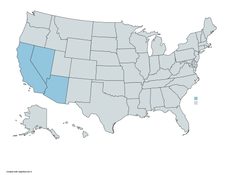
Southwestern United States and northern Mexico. Documented from California (including Mono Lake), Arizona, and Nevada. Precise range boundaries poorly defined due to limited survey effort.
Seasonality
active in early August at studied sites. Males emerge before females. Both sexes emerge over a relatively extended proportion of the season. Activity concentrated in morning hours with prolonged feeding and periods rather than intermittent activity throughout the day.
Diet
feed on nectar of desert brush, primarily Chrysothamnus nauseosus (rabbitbrush). Larvae are feeding on flesh and of other insects; specific unknown.
Host Associations
- Chrysothamnus nauseosus - mutualismPrimary nectar source; flies pollinate the shrub during feeding.
Life Cycle
Females mate within three days of , typically once per lifetime. Copulation lasts 5–10 minutes. Females live approximately 10–14 days and disperse approximately 70 meters daily with no site fidelity. Larval development occurs as of other insects. Males spend approximately 1.5 hours daily in aerial .
Behavior
Males form daily aerial swarms over stabilized dunes, engaging in continuous hover and territorial defense within clouds. This is energetically costly and represents a majority of male activity time. Males forage less than females, allocating saved time to aggregation rather than rest. Activity budgeting differs from ecologically similar flies: L. pulchrissimus engages in costly activities primarily in morning with extended duration rather than intermittent activity throughout day. Weak size-assortative mating observed; females likely have limited mate choice.
Ecological Role
of rabbitbrush and other desert flowering plants. Larval of other insects, contributing to of unknown .
Human Relevance
None documented. Subject of behavioral research due to unusual male phenomenon.
Similar Taxa
- Lordotus luteolusVery similar in appearance but lacks dense fur; L. pulchrissimus has hairy bodies in both sexes.
More Details
Male aggregation research
The aerial swarming of males has been primarily studied at Mono Lake, California. The pattern is exceptional because it occurs without female presence or high resource , contrary to typical lekking systems. The function of this behavior remains unknown.
Female fur aging
Female fur color fading has been used as a metric to determine age in field studies, as it occurs at a consistent rate and continues after death.