
Lasiopogon monticola
Melander, 1923
Mountain Sandpirate
Lasiopogon monticola is a of robber fly ( Asilidae) described by Melander in 1923. The species epithet 'monticola' (mountain-dwelling) suggests an association with montane . As a member of the Asilidae, it is a predatory fly that captures other insects in . The Lasiopogon comprises species commonly known as sandpirates, typically associated with sandy or loose soil substrates.
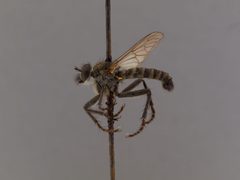
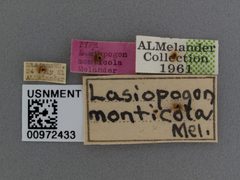
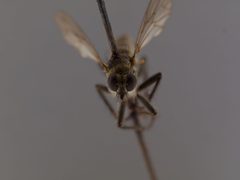
Pronunciation
How to pronounce Lasiopogon monticola: //ˌlæsiˈɒpoʊɡɒn ˈmɒntɪˌkoʊlə//
These audio files are automatically generated. While they are not always 100% accurate, they are a good starting point.
Images
Habitat
Montane environments, suggested by the epithet 'monticola'. Members of the Lasiopogon are typically associated with sandy or loose soil substrates, often in open .
Distribution
Specific distribution details are not well documented in available sources. The name suggests montane regions, but precise geographic range is unknown based on available information.
Ecological Role
As a robber fly (Asilidae), L. monticola functions as an aerial of other insects, contributing to regulation in its .
Similar Taxa
- Lasiopogon cinctusBoth are members of the Lasiopogon, sharing general and ecological preferences for sandy substrates; specific distinguishing characters require examination of or detailed descriptions
- Other Lasiopogon species-level characters including facial mystax, leg spination, and abdominal patterning require careful examination for -level identification; many species are poorly illustrated in accessible literature
Sources and further reading
- BugGuide
- GBIF taxonomy match
- iNaturalist taxon
- NCBI Taxonomy
- Catalogue of Life
- Bug Eric: A Flower Scarab, Euphoria fulgida
- Uncategorized | Blog - Part 29
- Funding from ScottishPower Foundation helps to restore vital habitat to encourage thriving natural ecosystem - Buglife Blog - Buglife
- When life gives you zebra mussels | Blog
- Nevada | Beetles In The Bush | Page 4