
Lasiopogon karli
McKnight, 2020
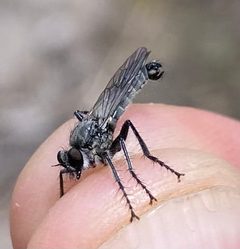
Lasiopogon karli is a of robber fly (Diptera: Asilidae) described by McKnight in 2020. It belongs to the cinereus group within the opaculus section of the Lasiopogon, distinguishing it from the bivittatus section that was the primary focus of the taxonomic revision in which it was described. As a member of the Asilidae , it is presumed to share the general predatory habits characteristic of robber flies, though species-specific ecological data remain undocumented in available sources.
Pronunciation
How to pronounce Lasiopogon karli: /ˌleɪsioʊˈpoʊɡɒn ˈkɑːrli/
These audio files are automatically generated. While they are not always 100% accurate, they are a good starting point.
Identification
Lasiopogon karli is distinguished from other Lasiopogon by its assignment to the cinereus group of the opaculus section rather than the bivittatus section. The species was described as part of a comprehensive revision of Nearctic Lasiopogon that included an updated key to western Nearctic . Specific diagnostic morphological characters distinguishing L. karli from would be detailed in the species description within the original monograph.
Images
Similar Taxa
- Lasiopogon cinereus group speciesL. karli is assigned to the cinereus group of the opaculus section, making it most similar to other members of this group. It is distinguished from the bivittatus section that were the main focus of the revision in which it was described.
Sources and further reading
- BugGuide
- GBIF taxonomy match
- iNaturalist taxon
- NCBI Taxonomy
- Catalogue of Life
- Show Me the Honey! (And the Wonder of Bees!) | Bug Squad
- Educating the Public About the Bees: Beekeepers Meet the Public at Cal Ag Day | Bug Squad
- U.S. Quinoa Crops Threatened by Little-Known Fly Pest
- Endophytic 'Bodyguards': How Insect-Killing Fungi Inside Plants Can Help Manage Pests
- A Cockroach and a Cacophonous Case of Careless Characters
- ecological indicator | Blog
- Molecular phylogeny of the genus Lasiopogon (Diptera: Asilidae) and a taxonomic revision of the bivittatus section