
Saropogon dispar
Coquillett, 1902
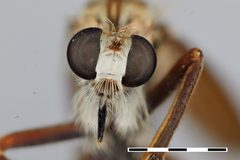
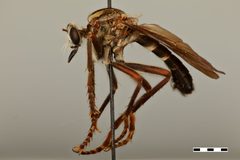
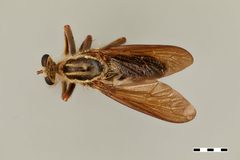
Saropogon dispar is a robber fly in the Asilidae, first described by Coquillett in 1902. It has been documented in Oklahoma and Texas, with observations at Natches Pond, Fort Sill, and Jefferson County. The species is notable for its association with in Texas, where it has been reported as a significant pest of bees.
Pronunciation
How to pronounce Saropogon dispar: /ˌsæroʊˈpoʊɡɒn ˈdɪspɑːr/
These audio files are automatically generated. While they are not always 100% accurate, they are a good starting point.
Images
Habitat
Observed at Natches Pond, Fort Sill, Oklahoma. In Jefferson County, specimens have been found at flowering buttonbushes (Cephalanthus ). In Texas, frequently associated with .
Distribution
Documented in Oklahoma (Comanche County: Fort Sill; Jefferson County) and Texas. Specific distribution beyond these localities is not established in available sources.
Diet
Predatory on insects. Observed picking off insects at flowering buttonbushes in Jefferson County. In Texas , has been documented preying on bees.
Host Associations
- bees - preySignificant pest in Texas ; one beekeeper destroyed over 700 individuals in a single yard over three days
- Cephalanthus - foraging siteObserved at flowering buttonbushes in Jefferson County
Behavior
Hunts from perches on vegetation. Observed actively capturing insects at flowering buttonbushes.
Ecological Role
Aerial of insects. In Texas , acts as a significant predator of bees, potentially impacting pollination services and honey production.
Human Relevance
Considered the most injurious robber fly to in Texas. Documented as causing substantial losses to beekeepers through on bees.
More Details
Taxonomic authority
First described by Daniel William Coquillett in 1902.
Observation frequency
iNaturalist records 18 observations of this as of data retrieval.