
Proctacanthus occidentalis
Hine, 1911
Proctacanthus occidentalis is a of robber fly in the Asilidae, described by Hine in 1911. The Proctacanthus comprises large, predatory flies characterized by a prominent mystax (beard) on the . Species in this genus are known to lay in soil crevices, with larvae feeding on soil-dwelling insects and organic matter. P. occidentalis is one of several species in the genus distributed across North America, though specific details distinguishing it from remain limited in available literature.
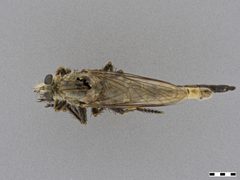
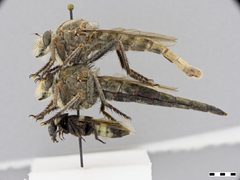

Pronunciation
How to pronounce Proctacanthus occidentalis: /ˌprɒktəˈkænθəs ˌɒksɪˈdɛntəlɪs/
These audio files are automatically generated. While they are not always 100% accurate, they are a good starting point.
Images
Distribution
Western North America; specific range details beyond this general region are not well documented in available sources.
Diet
are predatory on other insects. Related in the Proctacanthus have been documented capturing primarily grasshoppers, with prey selection strongly influenced by availability rather than size.
Life Cycle
are laid in crevices in soil. Larvae burrow into soil and feed on soil insects, roots, and decaying plant matter before pupating within an unlined in the soil.
Behavior
are active that capture prey in . Members of the Proctacanthus are known for their ferocious predatory capabilities, able to subdue prey comparable to or larger than themselves.
Ecological Role
in terrestrial ; contributes to regulation of insect , particularly grasshoppers and other soil-dwelling or flying insects.
Similar Taxa
- Proctacanthus milbertiiCongeneric with similar large size, prominent mystax, and predatory habits; distinguished by geographic distribution and seasonal activity patterns, with P. milbertii being a late-season species across much of the U.S.
- Promachus speciesRelated robber flies in the same with similar large size and predatory ; distinguished by abdominal coloration patterns, with Promachus often showing yellow and black tiger striping versus different coloration in Proctacanthus.
More Details
Generic characteristics
The name Proctacanthus translates to 'spiny butt,' referring to a morphological feature of these flies. This characteristic distinguishes them from related genera within the Asilidae.