
Vostox excavatus
Nutting & Gurney, 1961
Vostox excavatus is a of in the Spongiphoridae, described from western Mexico in 1961. It belongs to a of small, delicate earwigs often found in arid and semi-arid environments. The species name 'excavatus' refers to a concave or hollowed feature, likely describing a diagnostic morphological character. Records indicate it occurs in Baja California Sur and Sinaloa.
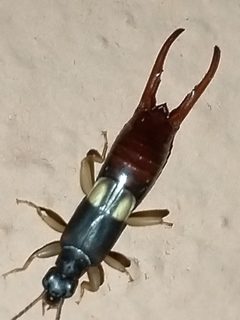
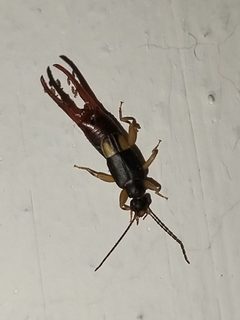
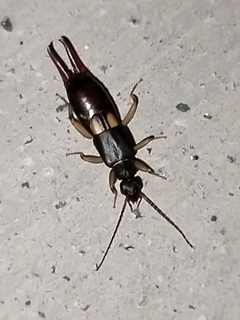
Pronunciation
How to pronounce Vostox excavatus: /vɔsˈtɔks ɛkskəˈveɪtəs/
These audio files are automatically generated. While they are not always 100% accurate, they are a good starting point.
Identification
The specific epithet 'excavatus' suggests a distinguishing excavated or concave structure, possibly on the male genitalia or abdominal tergites, a common diagnostic feature in Spongiphoridae. Detailed identification requires examination of male and genitalia; females are generally more difficult to distinguish to within the .
Images
Distribution
Known from western Mexico: Baja California Sur and Sinaloa. GBIF records indicate presence in Middle America.
Similar Taxa
- Vostox brunneipennisCongeneric with overlapping distribution in western Mexico; distinguished by differences in male genitalia and cercal .
- Vostox apicedentatusAnother Vostox from the region; separation requires detailed examination of genitalic structures.
More Details
Taxonomic history
Described by Nutting and Gurney in 1961, with the type locality likely in western Mexico. The Vostox contains approximately 20 , primarily distributed in the southwestern United States, Mexico, and Central America.
Research limitations
This is poorly represented in collections and literature. The 14 iNaturalist observations suggest it is infrequently encountered or underreported, possibly due to its small size and cryptic habits.