
Amarygmini
Gistel, 1848
darkling beetles
Genus Guides
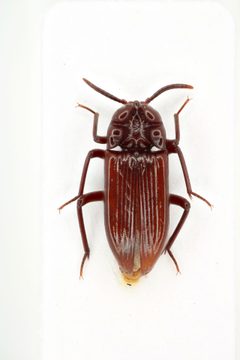
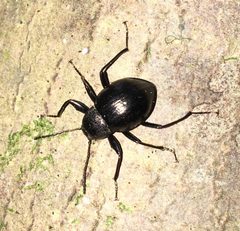
2Amarygmini is a tribe of darkling beetles (Tenebrionidae) comprising over 80 . are active, long-legged beetles capable of , primarily associated with tree bark and dead wood . The tribe is notable for having long-lived larvae and relatively short-lived adults. Most are and occur in both natural forests and urban environments.
Pronunciation
How to pronounce Amarygmini: //ˌæməˈrɪɡmɪnaɪ//
These audio files are automatically generated. While they are not always 100% accurate, they are a good starting point.
Identification
Distinguished from other tenebrionid tribes by the exposed clypeo-labral and the asymmetric, right-directed base in males. Larvae identifiable by the characteristic oval excavation on the ninth abdominal tergite (except Chalcopteroides).
Images
Habitat
Primarily associated with tree bark and dead wood, especially when covered with fungi or lichen. Occurs in primary and secondary forests, as well as artificial including street trees, parks, and gardens.
Diet
Larvae believed to be (wood-feeding) or mycophagous (fungus-feeding); at least some Chalcopteroides larvae may be scavengers or based on gut content analysis.
Host Associations
- tree bark - primary microhabitat
- dead wood - especially with fungal or lichen cover
- fungi - food sourcelarval diet suspected
- lichens - association microhabitat
Life Cycle
Complete : , larva, pupa, . Characterized by long-lived larvae and comparatively short-lived adults.
Behavior
are active and fly readily. . Some attracted to artificial light.
Ecological Role
Decomposers associated with dead wood and fungal . Larvae contribute to wood decomposition and nutrient cycling in forest .
Human Relevance
Occur in urban environments such as street trees, parks, and gardens. Some attracted to artificial lighting.
Similar Taxa
- other Tenebrionidae tribesAmarygmini distinguished by exposed clypeo-labral and male genitalic asymmetry; most similar lack these specific structural features
More Details
Larval habitat exception
While most larvae are associated with wood, at least some Chalcopteroides larvae inhabit soil.
Taxonomic scope
With over 80 , Amarygmini represents a diverse and widespread tribe within Tenebrionidae.