
Mycetocharina
Gistel, 1848
Genus Guides
2- Hymenochara
- Mycetochara(comb-clawed beetles)
Mycetocharina is a subtribe of darkling beetles within the Tenebrionidae, Alleculinae. Members are characterized by their association with fungal , as reflected in the name (from Greek 'myketes' meaning fungus). The subtribe contains multiple distributed primarily across the Palaearctic region.
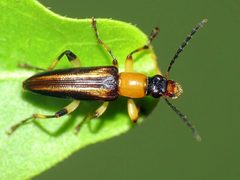
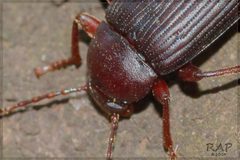
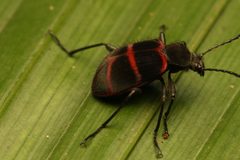
Pronunciation
How to pronounce Mycetocharina: /maɪˌsiːtəʊˈkærɪnə/
These audio files are automatically generated. While they are not always 100% accurate, they are a good starting point.
Identification
Beetles in this subtribe can be distinguished from other Alleculini by subtle morphological features of the and pronotum, though precise identification often requires examination of genitalia. They are generally small to medium-sized tenebrionids with or slightly clubbed antennae.
Images
Habitat
Associated with fungal environments, including decaying wood, bracket fungi, and forest floor litter where fungal mycelium is abundant.
Distribution
Palaearctic region, with records from Europe and Asia.
Similar Taxa
- Alleculini (remaining subtribes)Other subtribes within Alleculini lack the specific antennal and pronotal modifications characteristic of Mycetocharina, and often occupy different microhabitats.
More Details
Taxonomic Authorship Note
There is a discrepancy in authorship dates: Catalogue of Life lists Gistel, 1848, while GBIF references Seidlitz, 1890. The earlier date (Gistel, 1848) is generally accepted for the subtribe establishment.
Fungal Association
The etymology of the name indicates a well-established ecological link to fungi, though specific feeding relationships remain poorly documented in published literature.