
Phodaga
LeConte, 1858
Species Guides
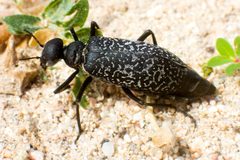
2Phodaga is a of blister beetles in the Meloidae, Meloinae, and tribe Eupomphini. The genus contains at least two described : Phodaga alticeps LeConte, 1858 and Phodaga marmorata (Casey, 1891). Detailed studies of P. alticeps have revealed unique courtship including substrate-supported mounting and specialized tactual stimulation of females.
Pronunciation
How to pronounce Phodaga: /fəˈdɑːɡə/
These audio files are automatically generated. While they are not always 100% accurate, they are a good starting point.
Images
Distribution
Geographic distribution has been documented for P. alticeps; specific range details for the as a whole are not established.
Seasonality
Seasonal distribution has been documented for P. alticeps; -wide patterns are not established.
Diet
Feeding has been observed in P. alticeps; specific diet for the is not documented.
Life Cycle
Oviposition has been documented in P. alticeps; complete details for the are not established.
Behavior
Male courtship in P. alticeps exhibits unique features within Meloinae: the mounted male is supported primarily by substrate rather than the female's body, with middle legs positioned anteriorly during most of courtship. Tactual stimulation involves curling around female antennae while simultaneously stimulating her maxillary palpi with the middle legs. These tactual displays alternate with periods of male . Genital insertion attempts are rare and likely occur only before copulation. Defense and antennal cleaning have also been observed in P. alticeps.
Similar Taxa
- Negalius marmoratusClosest relative of P. alticeps; courtship has been specifically compared between these
More Details
Structural adaptations
Structural modifications functionally correlated with courtship have been described in P. alticeps, though specific details are not available from the abstract
Female behavior
Concomitant female and its effects on male courtship have been documented in P. alticeps