
Macratria
Newman, 1838
antlike flower beetles
Species Guides
4- Macratria brunnea(antlike flower beetle)
- Macratria confusa(antlike flower beetle)
- Macratria murina
- Macratria
Macratria is a of antlike flower beetles in the Anthicidae, established by Newman in 1838. The genus contains more than 30 described and belongs to the Macratriinae. Members are characterized by their -like appearance, a trait common to the family Anthicidae. The genus has been documented in approximately 950 iNaturalist observations, indicating moderate public awareness.
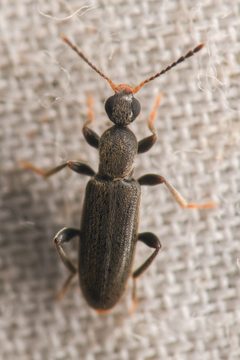
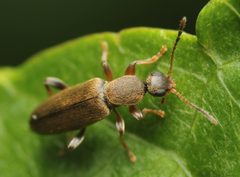
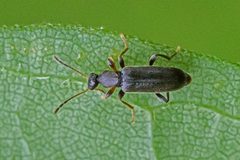
Pronunciation
How to pronounce Macratria: //mæˈkreɪtriə//
These audio files are automatically generated. While they are not always 100% accurate, they are a good starting point.
Identification
Macratria can be distinguished from other Anthicidae by their placement in the Macratriinae. Within the , Macratriinae is characterized by specific morphological features that separate it from the nominate subfamily Anthicinae. Species-level identification requires examination of detailed morphological characters not reliably distinguishable from general descriptions.
Images
Similar Taxa
- Anthicinae (subfamily)The nominate Anthicinae contains the majority of antlike flower beetles; Macratriinae, which includes Macratria, is distinguished by morphological characters of the and pronotum.
- Formicidae (ants)Macratria and other Anthicidae are frequently mistaken for ants due to producing similar body shapes, elbowed , and running ; beetles lack the constricted petiole ( waist) of ants and have hardened forewings ().
More Details
Taxonomic note
Sources differ on the number of described : Wikipedia cites more than 30 species, while iNaturalist's Wikipedia summary states about seven. This discrepancy likely reflects different publication dates or taxonomic revisions. The Catalogue of Life classification places Macratria in the Macratriinae and tribe Macratriini, a placement not always reflected in general sources.
Etymology
The name Macratria derives from Greek roots, with 'makros' meaning long or large and likely referring to some aspect of the body proportions relative to related genera.