Xestolinus
Casey, 1906
Species Guides
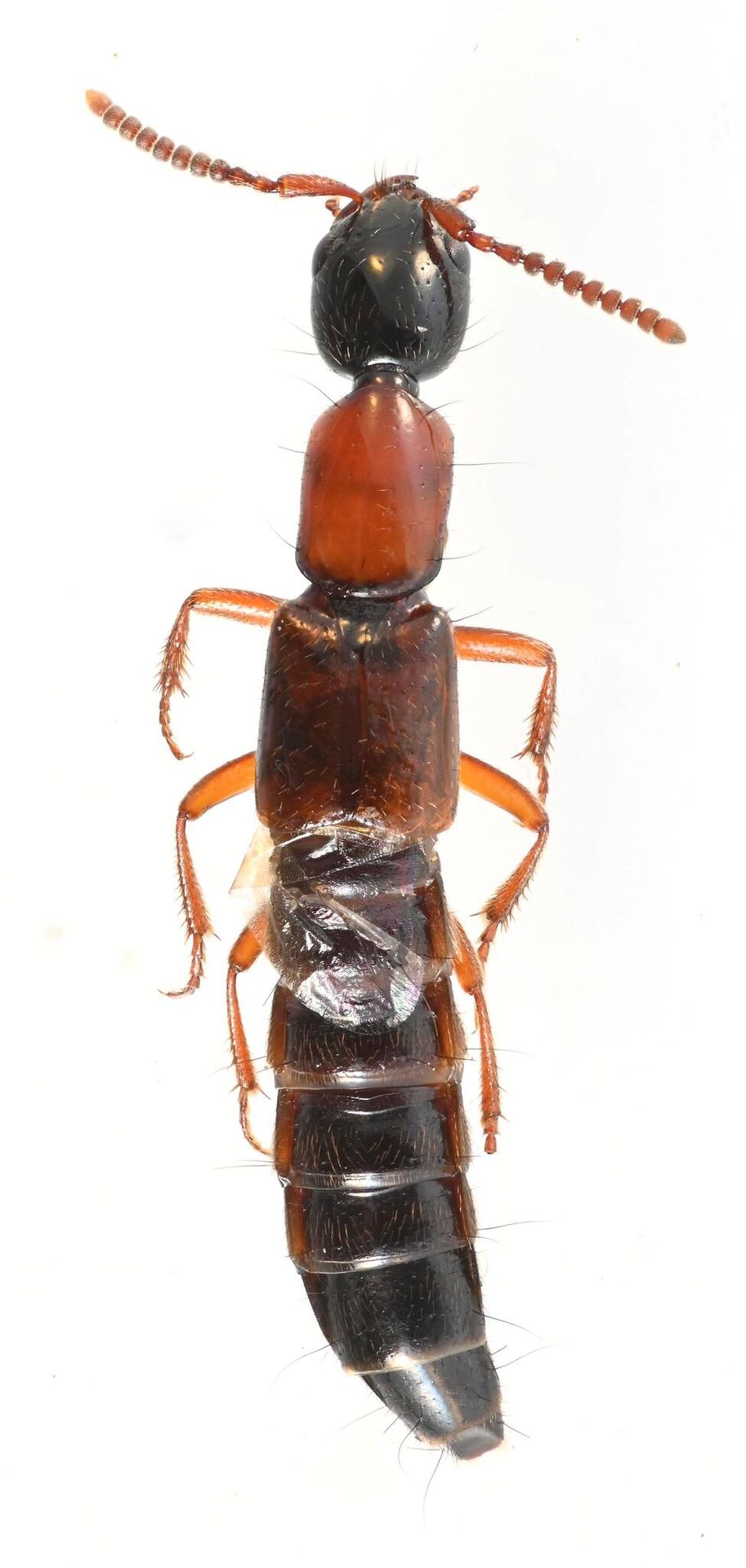
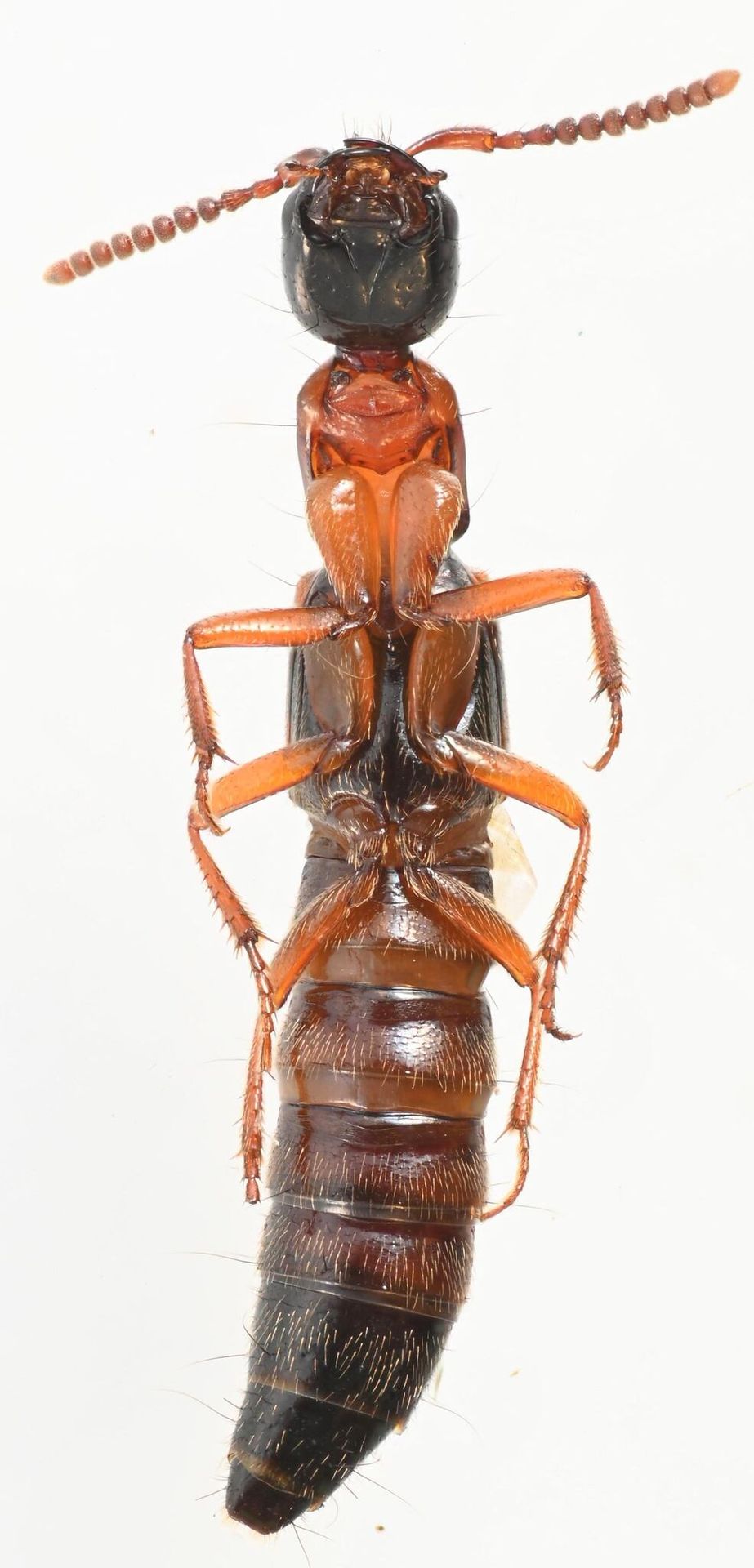
1Xestolinus is a of rove beetles in the Staphylinidae, tribe Xantholinini. It was described by Casey in 1906. Members of this genus are small to medium-sized beetles with the characteristic elongated body and short typical of the family. The genus is rarely encountered, with only four observations recorded on iNaturalist, indicating it may be cryptic, locally distributed, or undercollected.
Pronunciation
How to pronounce Xestolinus: //ˌzɛstoʊˈlaɪnəs//
These audio files are automatically generated. While they are not always 100% accurate, they are a good starting point.
Identification
Xestolinus belongs to the tribe Xantholinini, which can be distinguished from other Staphylininae by the presence of a distinct row of setae along the lateral margin of the pronotum and the structure of the . Within Xantholinini, Xestolinus are characterized by their relatively robust body form and specific arrangements of punctation and setation on the and pronotum. Definitive identification to species requires examination of male genitalia and other microscopic characters.
Images
Distribution
The has been recorded in North America based on museum specimens and limited observations. Specific distribution details are poorly documented due to the scarcity of records.
Ecological Role
As members of Staphylinidae, Xestolinus likely function as or scavengers in soil and leaf litter , contributing to nutrient cycling and of small . This role is inferred from -level characteristics but has not been directly documented for this .
Similar Taxa
- XantholinusAlso in tribe Xantholinini; Xestolinus can be distinguished by differences in body proportions, punctation patterns, and male genitalia structure.
- GyrophaenaAnother rove beetle with similar size and preferences; Gyrophaena is distinguished by its association with fungi and different antennal structure.
More Details
Taxonomic history
The was established by Thomas L. Casey in 1906. Casey was a prolific American entomologist who described numerous North American , many of which remain valid. The limited modern study of Xestolinus suggests it may warrant taxonomic revision.
Collection status
With only four iNaturalist observations and limited GBIF records, Xestolinus appears to be significantly underrepresented in biodiversity databases. This may reflect genuine rarity, cryptic habits, or lack of targeted collecting effort rather than true scarcity.