Gauropterus fulgidus
(Fabricius, 1787)
Cold Rove Beetle
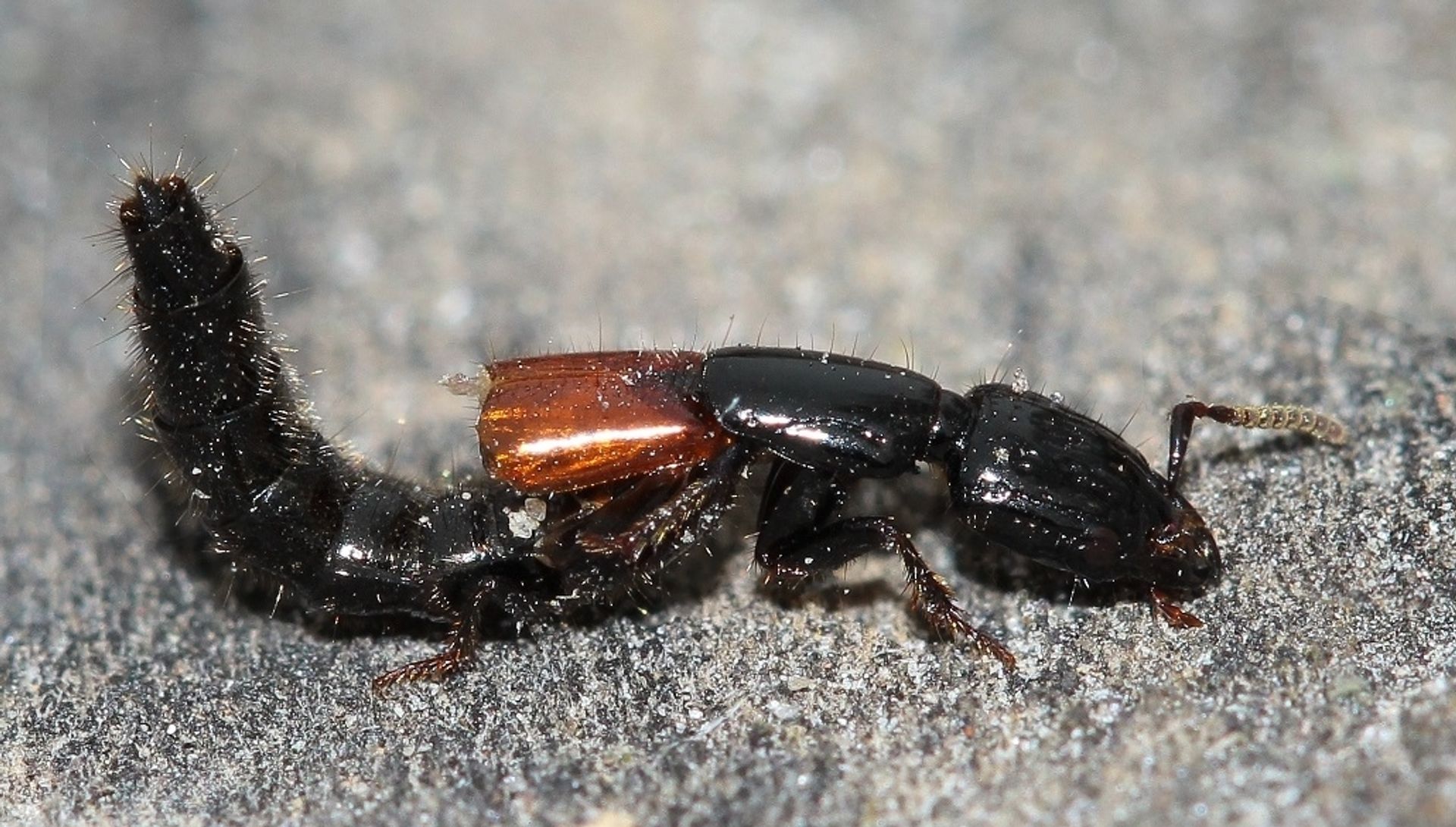
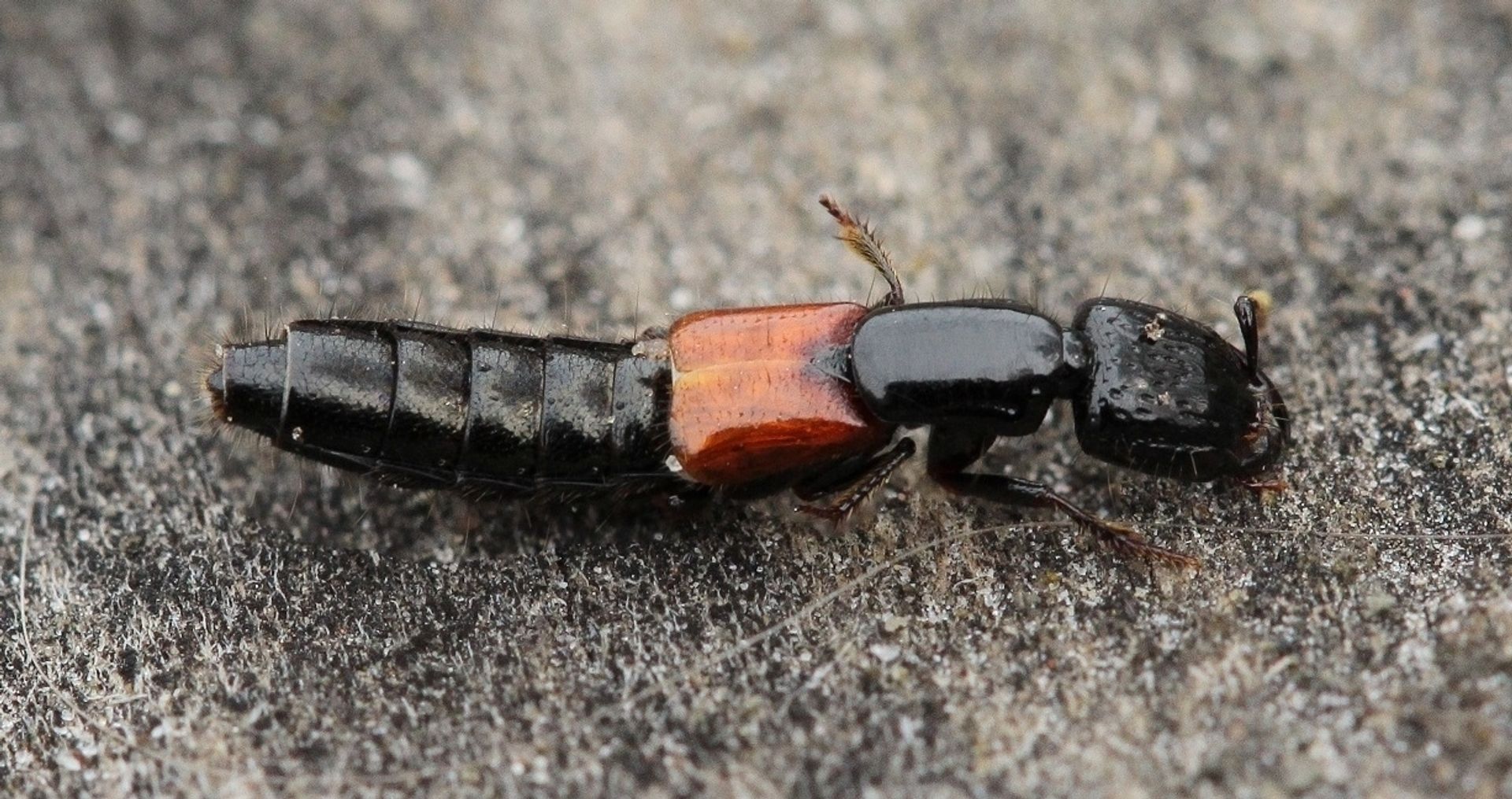
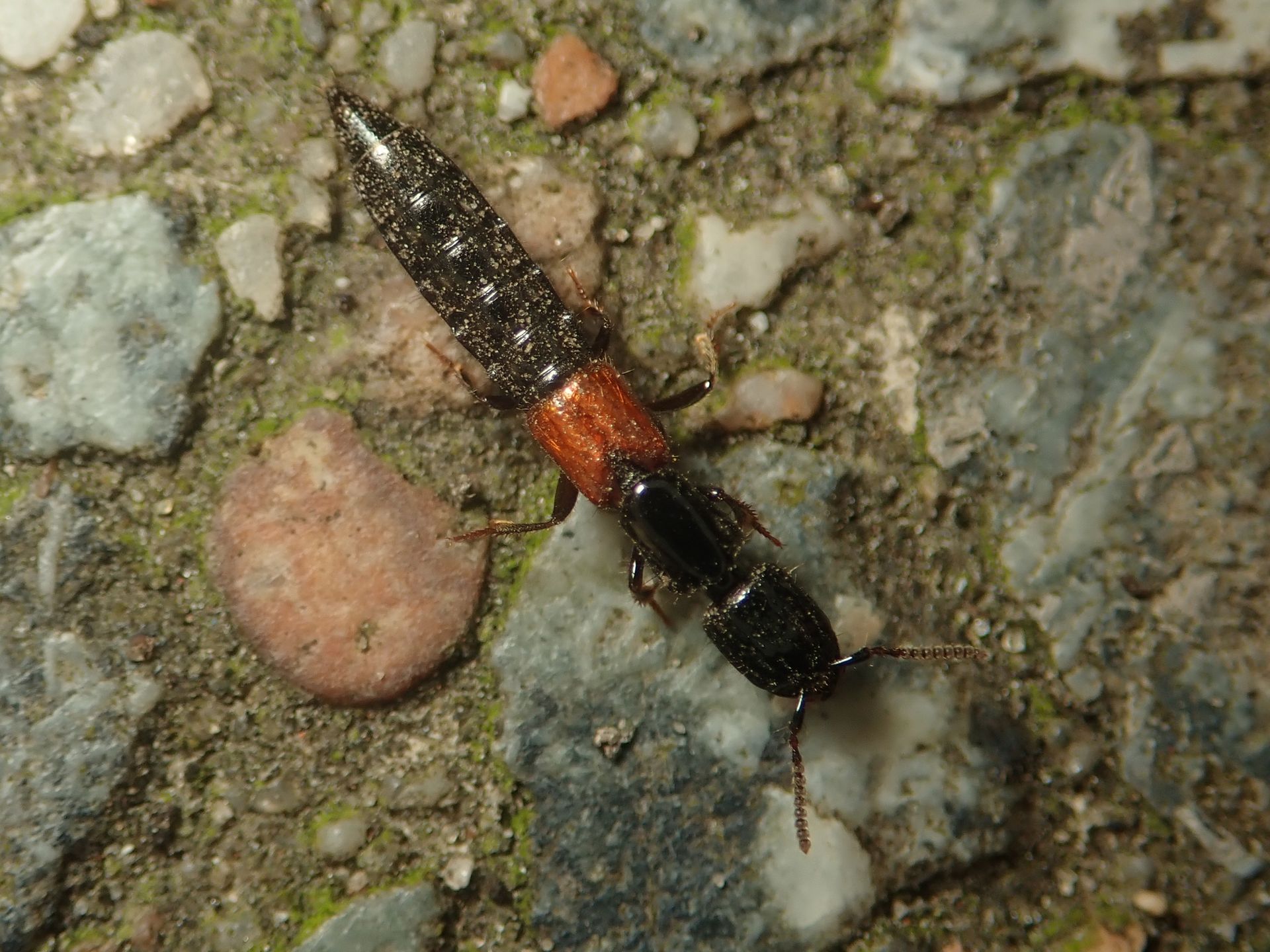
Gauropterus fulgidus is a of rove beetle in the Staphylinidae. It is native to Europe and has been introduced to parts of North America, including Ontario, Canada and the United States. The species has a notably broad distribution across the Palearctic region, extending from Europe through Asia to Japan, Korea, and parts of Southeast Asia. It has also been recorded from North Africa and the Middle East.
Pronunciation
How to pronounce Gauropterus fulgidus: /ɡɔːɹɒptɛɹəs fʊldʒɪdəs/
These audio files are automatically generated. While they are not always 100% accurate, they are a good starting point.
Images
Distribution
Native to Europe. Palearctic distribution extending from Europe through Russia, the Caucasus (Armenia, Georgia), Turkey, the Middle East (Israel, Lebanon, Syria, Saudi Arabia, Iraq, Iran), Central Asia (Tajikistan, Afghanistan), and East Asia (Korea, Japan, China). Recorded from North Africa (Morocco, Algeria, Tunisia, Libya, Egypt), Macaronesia (Canary Islands, Madeira), and South Asia (Sri Lanka, Myanmar, Vietnam, Indonesia). Introduced to North America: Canada (Ontario) and the United States.
More Details
Taxonomic note
This was originally described by Fabricius in 1787. It belongs to the tribe Xantholinini within the Staphylininae. The epithet 'fulgidus' (Latin: shining, glittering) may refer to some aspect of the 's appearance, though this is not confirmed in available sources.
Introduction to North America
GBIF records indicate the has been introduced to Ontario, Canada and the United States, though details regarding the timing, mechanism, or ecological impact of this introduction are not documented in the provided sources.
Sources and further reading
- BugGuide
- Wikipedia
- GBIF taxonomy match
- iNaturalist taxon
- NCBI Taxonomy
- Catalogue of Life
- Crossidius coralinus fulgidus | Beetles In The Bush
- 2013 ESA World of Insects Calendar Selection | Beetles In The Bush
- And the winner is… | Beetles In The Bush
- Consolation Crossidius | Beetles In The Bush
- Cover Photo—The Coleopterists Bulletin 71(4) | Beetles In The Bush
- Sunset for another great collecting trip | Beetles In The Bush