Gauropterus
Thomson, C. G., 1860
Species Guides
1- Gauropterus fulgidus(Cold Rove Beetle)
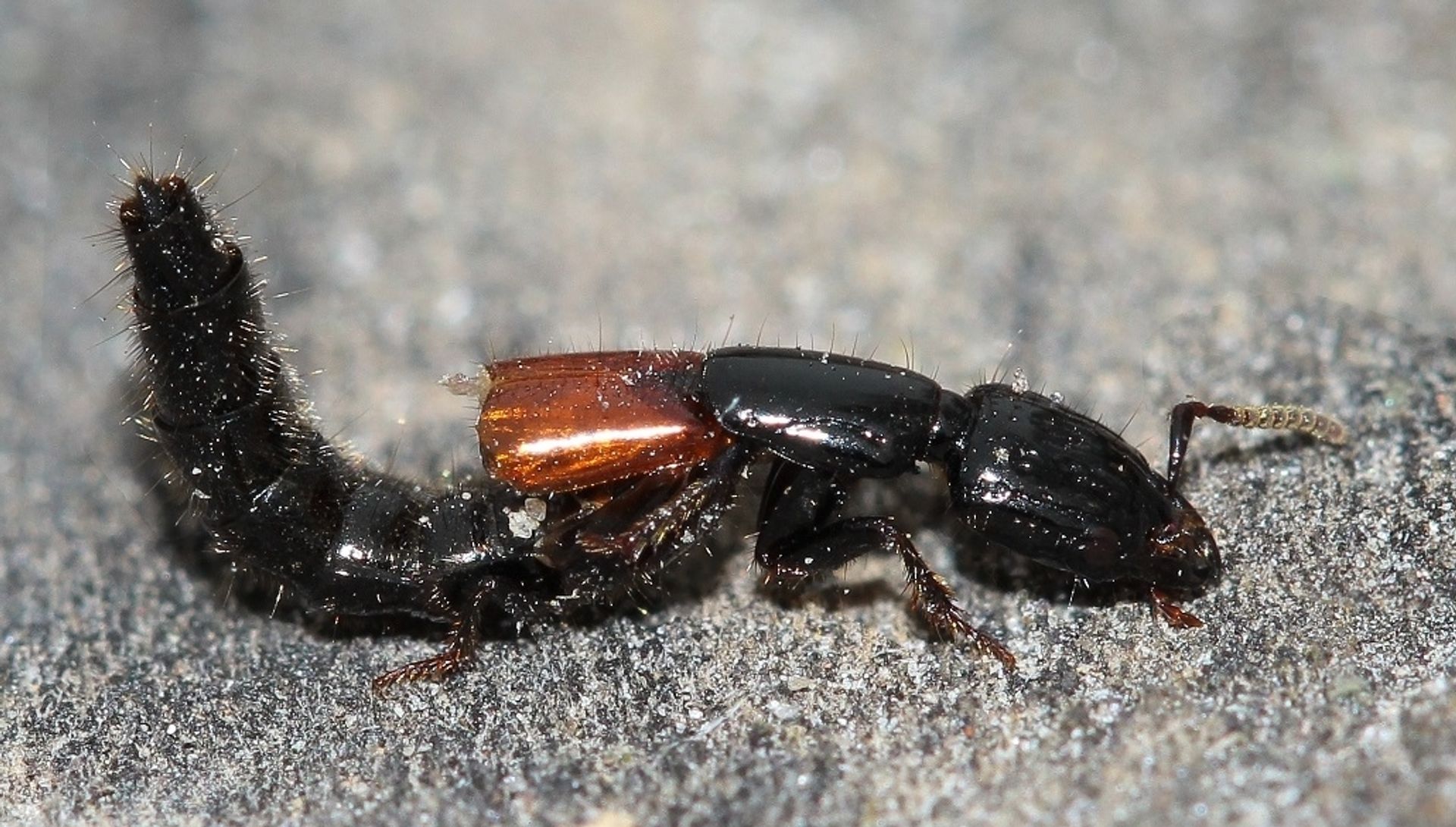
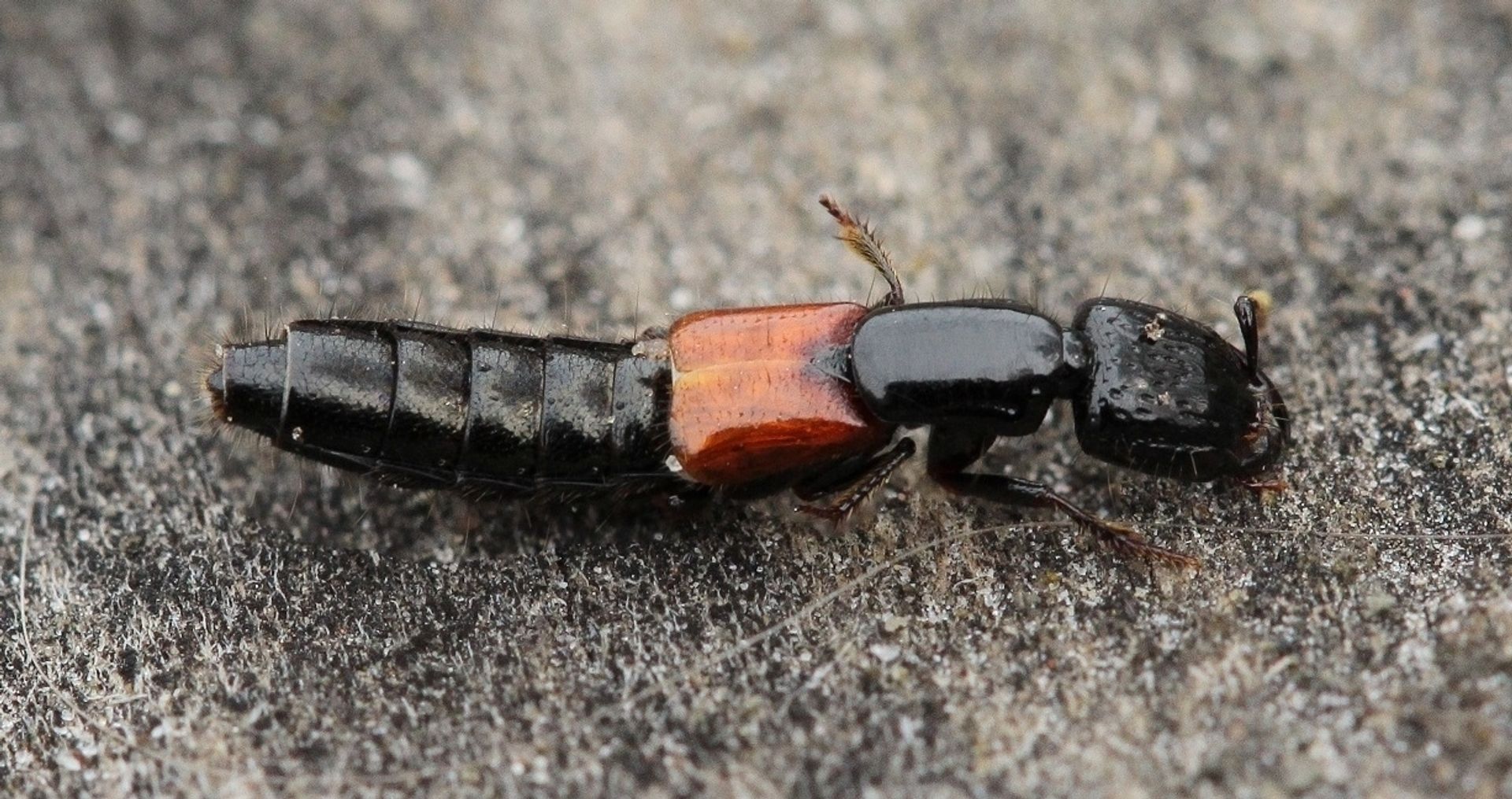
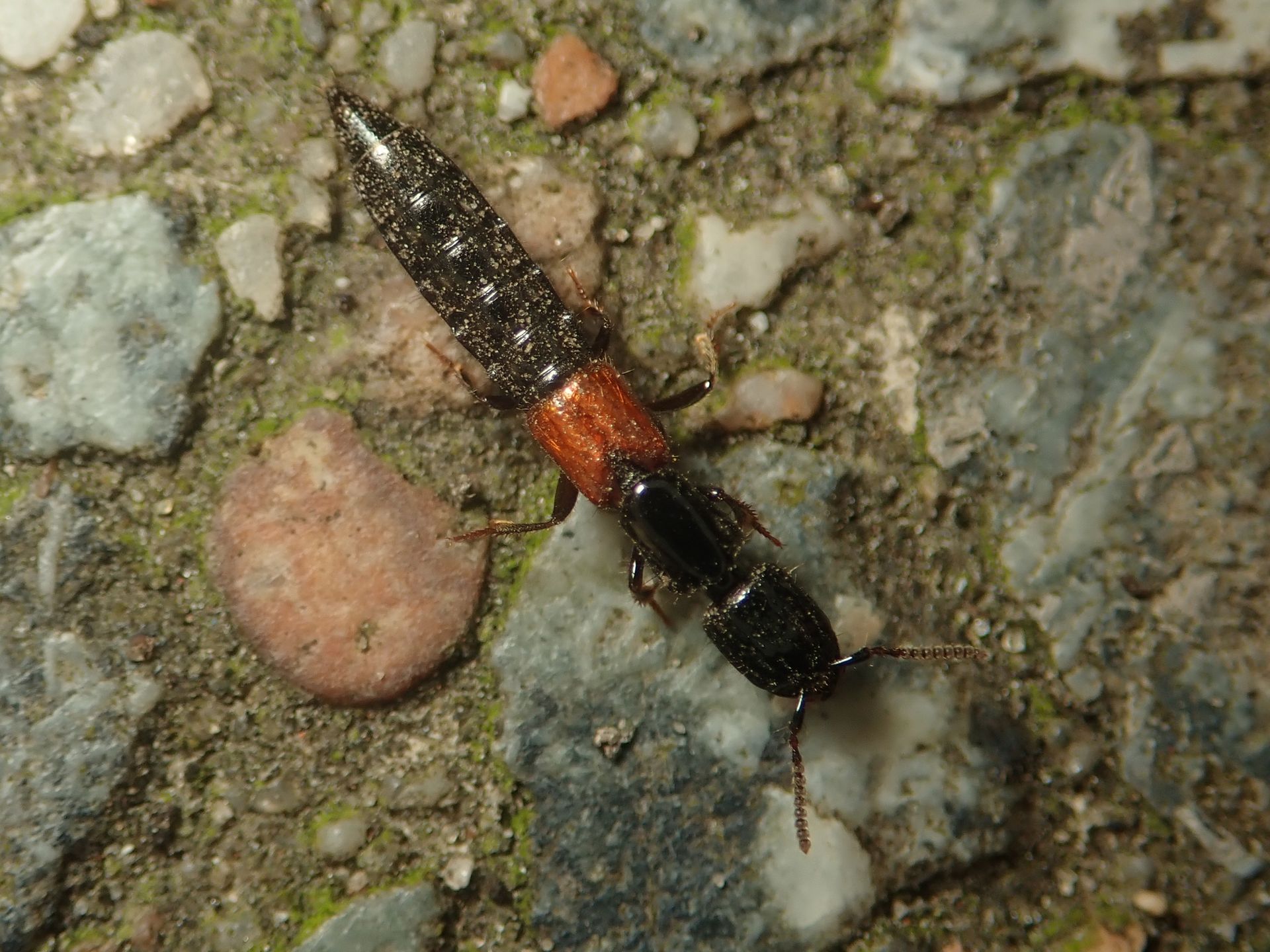
Gauropterus is a of rove beetles (Staphylinidae) established by C.G. Thomson in 1860. The genus comprises 32 recognized distributed primarily across northern Europe, with confirmed records from Denmark, Norway, and Sweden. Members belong to the tribe Xantholinini within the Staphylininae.
Pronunciation
How to pronounce Gauropterus: //ɡɔːˈɹɒptərəs//
These audio files are automatically generated. While they are not always 100% accurate, they are a good starting point.
Identification
Gauropterus can be distinguished from other Xantholinini by the combination of: shortened exposing most of the (characteristic of Staphylinidae), presence of well-developed wings, and specific arrangements of setae on the pronotum and elytra. Detailed species-level identification requires examination of male genitalia and other microscopic features.
Images
Distribution
Northern Europe. Confirmed occurrence records from Denmark (DK), Norway (NO), and Sweden (SE).
Similar Taxa
- XantholinusBoth belong to tribe Xantholinini and share similar body proportions; Gauropterus typically has more pronounced wing development and differs in pronotal setation patterns.
- OligolinusOverlapping geographic range and preferences; distinguished by differences in antennal structure and abdominal tergite chaetotaxy.
More Details
Taxonomic status
The is accepted and valid, with 32 recognized . It is placed in the tribe Xantholinini, a group of rove beetles often associated with decaying organic matter and forest floor , though specific ecological data for Gauropterus species remain limited in published sources.