
Diochus
Erichson, 1839
Species Guides
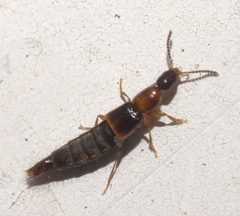
1Diochus is a of rove beetles (Staphylinidae) with distribution, though most occurs in the Neotropical region. The genus comprises over 80 described organized into six species groups based on morphological characteristics. Taxonomic revision has synonymized some historically described species and clarified species boundaries through detailed morphological analysis.
Pronunciation
How to pronounce Diochus: //ˈdiːoʊkəs//
These audio files are automatically generated. While they are not always 100% accurate, they are a good starting point.
Identification
Neotropical of Diochus are distinguished by six defined species groups: D. longicornis-group (elongate ), D. inornatus-group (relatively unadorned ), D. maculicollis-group (maculate pronotum), D. schaumii-group (including angustiform and brunneus types), D. verhaaghi-group (two species with distinctive morphology), and D. nanus-group (small-bodied species with reduced wings). D. formicetorum remains of uncertain position due to limited material. Species identification requires examination of male genitalia and detailed external morphology.
Images
Distribution
distribution with highest in the Neotropical region. occur across Central and South America, with additional records from Africa, Asia, and Pacific islands including Tahiti.
Similar Taxa
- Other Staphylininae generaDiochus is distinguished from related rove beetle by tribal assignment to Diochini and specific character combinations used to define its six groups; precise differentiating characters require taxonomic knowledge.
More Details
Species Groups
The is organized into six groups: D. longicornis-group (6 species), D. inornatus-group (12 species), D. maculicollis-group (7 species), D. schaumii-group (5 species), D. verhaaghi-group (2 species), and D. nanus-group (4 species). D. formicetorum has unclear placement among these groups.
Taxonomic History
Recent revision synonymized D. flavicans with D. vicinus and D. vilis with D. schaumii, reducing the number of recognized . The includes one fossil species, †D. electrus.