
Vatesini
Seevers, 1958
Genus Guides
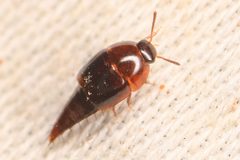
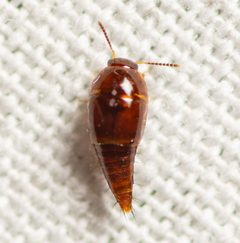
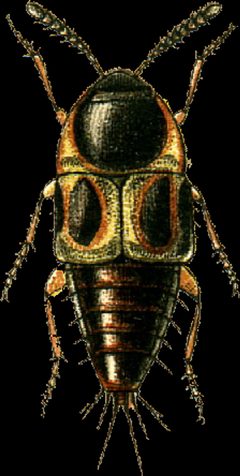
2Vatesini is a tribe of rove beetles (Staphylinidae) established by Seevers in 1958, classified within the Tachyporinae. The tribe comprises ten extant and extinct , including Cilea, Coproporus, Vatesus, and the fossil genus †Procileoporus. Members are small to medium-sized beetles with the characteristic abbreviated of Staphylinidae. The tribe has accumulated over 1,600 observations on iNaturalist, indicating moderate documentation of its in the field.
Pronunciation
How to pronounce Vatesini: /vaˈteː.sɪ.niː/
These audio files are automatically generated. While they are not always 100% accurate, they are a good starting point.
Identification
Vatesini can be distinguished from other Tachyporinae tribes by combinations of characters including antennal structure, tarsal formula, and male genitalia . The Vatesus is notably associated with army ants (Ecitoninae), exhibiting behavioral and morphological adaptations for myrmecophily. Cileoporus and Tachinoporus share reduced wing venation and compact body forms. Accurate identification to genus level requires examination of structure and detailed mouthpart morphology.
Images
Distribution
The tribe has a distribution with occurring across multiple continents. Cilea and Coproporus are widespread in the Palearctic and Nearctic regions. Vatesus are found in the Neotropics where they inhabit army ant colonies. Termitoplus occurs in association with nests. The fossil genus †Procileoporus is known from Eocene Baltic amber, indicating ancient presence in Europe.
Host Associations
- Ecitoninae - myrmecophileVatesus are obligate associates of army ant colonies
- Termitidae - Termitoplus inhabit nests
Behavior
Vatesus exhibit obligate myrmecophily, living within colonies of army ants (Eciton) where they likely feed on or regurgitations. These beetles possess trichomes that secrete substances attractive to ants, facilitating integration into colonies. Termitoplus species are termitophilous, inhabiting nests with poorly understood ecological roles. Other such as Coproporus and Cilea are generally found in decaying organic matter including and compost.
Ecological Role
Members of Vatesini function as commensals or in social insect colonies. Vatesus are considered obligate myrmecophiles with potential kleptoparasitic or predatory roles on army ant . Coproporus and related contribute to nutrient cycling in decomposing organic substrates. The ecological function of Termitoplus within colonies remains insufficiently documented.
Similar Taxa
- TachyporiniAlso classified in Tachyporinae; distinguished by different antennal club structure and tarsal formula
- MycetoporiniTachyporinae tribe with similar body form; separated by differences in mouthpart and association with fungi rather than social insects
More Details
Fossil record
The extinct †Procileoporus, described from Eocene Baltic amber by Yamamoto in 2016, represents the only described fossil member of the tribe and provides minimum age constraints for Vatesini diversification.
Taxonomic history
The tribe was established by Seevers in 1958, with subsequent revisions by Campbell (1994) adding Cileoporus and Yamamoto (2016) describing the fossil . Generic boundaries remain actively studied.