
Tachyporini
MacLeay, W. S., 1825
Genus Guides
3- Palporus
- Sepedophilus(rove beetles)
- Tachyporus
Tachyporini is a tribe of rove beetles within the Tachyporinae, established by MacLeay in 1825. The tribe includes the Tachyporus and Tachinus, which together comprise numerous of small to medium-sized staphylinids. These beetles are characterized by relatively compact body forms compared to many other rove beetles. The tribe is widely distributed and frequently encountered in various terrestrial .
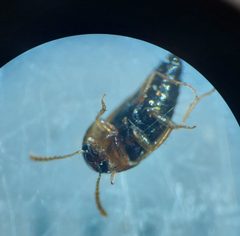
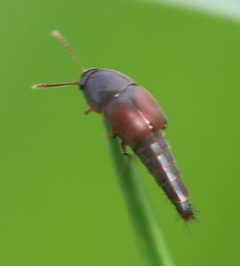
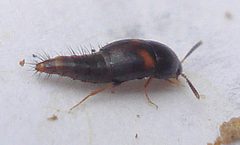
Pronunciation
How to pronounce Tachyporini: //ˌtækɪpɔːˈraɪniː//
These audio files are automatically generated. While they are not always 100% accurate, they are a good starting point.
Identification
Members of Tachyporini can be distinguished from other Tachyporinae tribes by combinations of characters including antennal structure, elytral length relative to the , and details of the tarsal formula. within the tribe such as Tachyporus and Tachinus can be separated by features of the pronotum shape, presence or absence of specific setal patterns, and male genitalia characteristics. The tribe generally exhibits less extreme body elongation than many other Staphylinidae groups.
Images
Habitat
in this tribe occupy diverse terrestrial environments including forest litter, decaying organic matter, fungi, and various microhabitats in soil and vegetation layers. They are frequently associated with moist, decomposing substrates where prey or fungal food sources are abundant.
Distribution
Tachyporini has a distribution with representatives documented across multiple continents including North America, Europe, Asia, and other regions. Specific range limits vary by and .
Similar Taxa
- SepedophiliniAlso within Tachyporinae; differs in antennal and body proportions, with Sepedophilini often showing more pronounced abdominal exposure beyond the
- MycetoporiniAnother tribe in Tachyporinae; separable by differences in mouthpart structure and preferences, with Mycetoporini more strongly associated with fungal fruiting bodies
More Details
Notable Genera
The tribe includes Tachyporus, one of the larger in Staphylinidae with over 100 described , and Tachinus, which contains numerous species particularly diverse in northern temperate regions.