
Tachinusini
Fleming, 1821
Genus Guides
3Tachinusini is a tribe of rove beetles within the Tachyporinae. Members are small to medium-sized beetles characterized by compact bodies and relatively short that leave several abdominal segments exposed. The tribe includes the Tachinus, which is among the more frequently observed tachyporine groups. Tachinusini are found primarily in the Northern Hemisphere, with many species adapted to cool, moist microhabitats.
Pronunciation
How to pronounce Tachinusini: /tɑːˈkɪnjuːsaɪni/
These audio files are automatically generated. While they are not always 100% accurate, they are a good starting point.
Identification
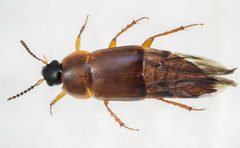
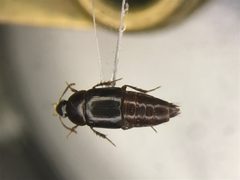
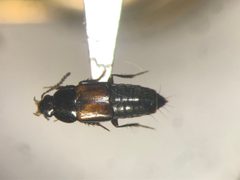
Tachinusini can be distinguished from other Tachyporinae tribes by the combination of: body form moderately compact rather than strongly flattened; with distinct club formed by segments; and presence of well-developed hind wings in most . Tachinus species specifically show a characteristic color pattern with reddish or yellowish contrasting with a darker and pronotum. Separation from the tribe Mycetoporini requires examination of male genitalia or detailed dissection of mouthpart structures.
Images
Habitat
in this tribe occur in cool, moist environments including forest litter, moss beds, riparian zones, and subarctic or alpine tundra. Many Tachinus species are associated with decaying organic matter, particularly fungal fruiting bodies and decomposing vegetation. Some species inhabit mammal nests or burrows.
Distribution
Tachinusini has a predominantly Holarctic distribution, with highest diversity in northern North America, Europe, and Asia. The Tachinus extends into montane regions at lower latitudes. A few have been introduced to the Southern Hemisphere through human activity.
Seasonality
activity peaks in spring and early summer in temperate regions, with some continuing into autumn. In subarctic and alpine , activity is concentrated during brief summer periods. Several species overwinter as adults in protected microhabitats.
Life Cycle
Development includes , three larval instars, pupa, and stages. Larvae are generally found in the same microhabitats as adults. Duration of stages varies with temperature; in cold climates, development may extend across multiple growing seasons.
Behavior
are agile runners and capable of when disturbed. Many exhibit rapid, erratic movement patterns when exposed. Some Tachinus species aggregate in favorable microhabitats, particularly around fungal sporocarps. Defensive include secretion of glandular compounds from the , though this has been documented in relatively few species.
Ecological Role
Tachinusini function as and scavengers in decomposer . They contribute to nutrient cycling through consumption of decaying plant material, fungi, and small . Some species are significant predators of fly and larvae in ephemeral substrates such as and carrion.
Human Relevance
No direct economic importance. Some have been studied as indicators of disturbance in forest . Occasional presence in buildings is incidental and temporary.
Similar Taxa
- MycetoporiniAlso in Tachyporinae; distinguished by more flattened body form and different mouthpart structure requiring dissection to confirm.
- SepedophiliniSmaller Tachyporinae tribe with more slender body and reduced wing development in many .
- TachyporiniLarger and more robust Tachyporinae with different antennal club structure and preferences.
More Details
Taxonomic History
The tribe Tachinusini was established by Fleming in 1821 and has maintained relatively stable circumscription, though generic limits within the tribe have been revised multiple times based on phylogenetic studies.
iNaturalist Observations
The tribe is represented by 2,622 observations on iNaturalist, indicating moderate but consistent recording effort, primarily in North America and Europe.