
Thinopinus
LeConte, J. L., 1852
pictured rove beetle
Species Guides
1- Thinopinus pictus(Pictured Rove Beetle)
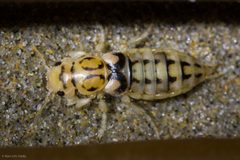
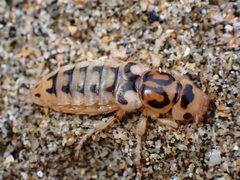
Thinopinus is a of wingless rove beetles in the Staphylinidae, represented by the Thinopinus pictus. These beetles inhabit sandy intertidal beaches along the Pacific coast of North America. They are that emerge from sand burrows to hunt beach hoppers, exhibiting behavioral adaptations synchronized with tidal cycles.
Pronunciation
How to pronounce Thinopinus: /θaɪˈnɒpɪnəs/
These audio files are automatically generated. While they are not always 100% accurate, they are a good starting point.
Identification
Wingless condition distinguishes Thinopinus from most other staphylinid . The genus is further characterized by its exclusive association with intertidal sandy beach . Identification to genus level requires confirmation of habitat and geographic range along the Pacific coast of North America.
Images
Appearance
Wingless rove beetles with the characteristic short of Staphylinidae, leaving most of the exposed. Specific morphological details for the are not well documented beyond the type .
Habitat
Strictly intertidal sandy beaches. Beetles construct temporary burrows in sand and show preference for soft, wet substrates. Laboratory studies indicate sand permeability and moisture gradients influence microhabitat selection.
Distribution
Pacific coast of North America from southern Alaska to Baja California, Mexico.
Seasonality
Activity is and synchronized with tidal cycles. Beetles emerge onto sand surfaces during low nighttime tides and remain buried during high tides or daylight hours.
Diet
Predatory, feeding primarily on beach hoppers (Orchestoidea).
Life Cycle
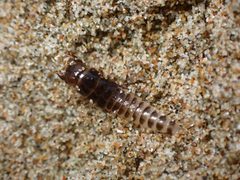
Larvae are also , sharing the same and prey as .
Behavior
activity tied to tidal cycles; beetles emerge at consistent times on successive nights and remain active for only a few hours. Mark-recapture studies indicate low rates. Observable surface is lower than actual because individuals alternate between surface activity and burial. exhibit tidal : a 15–30 m wide band of beetles moves seaward with neap tides and landward with approaching spring tides.
Ecological Role
of beach hoppers in intertidal sandy beach .
More Details
Tidal migration mechanism
Laboratory experiments with sand permeability and moisture gradients suggest that preference for soft, wet sand explains the observed tidal pattern in natural .