
Arcitalitrus
Hurley, 1975
Lawn Shrimps, Beach Hoppers
Species Guides
1- Arcitalitrus sylvaticus(lawn shrimp)
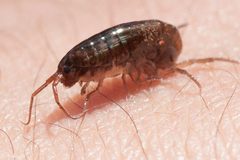
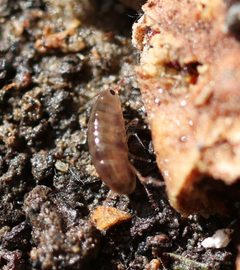
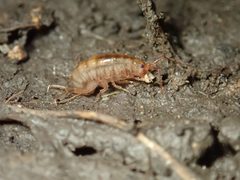
Arcitalitrus is a of fully terrestrial amphipods commonly known as lawn shrimps or beach hoppers. The genus contains nine described native to Australasia, with Arcitalitrus dorrieni and A. sylvaticus introduced to Europe and elsewhere through human activity. These crustaceans have adapted to life away from aquatic environments, inhabiting forest leaf litter and soil. Some species have become outside their native range, spreading via the international plant trade.
Pronunciation
How to pronounce Arcitalitrus: /ˌɑːrkɪˈtælɪtrəs/
These audio files are automatically generated. While they are not always 100% accurate, they are a good starting point.
Identification
Distinguished from other terrestrial amphipods by fully terrestrial (euterrestrial) rather than shoreline or beach . Differs from coastal talitrids by absence of dependence on moist sand or splash zones. Arcitalitrus dorrieni specifically identified by introduced range in Europe and Ireland; native Australasian require geographic context for separation. -level identification requires examination of mouthpart and uropod structure.
Images
Appearance
Small, laterally compressed crustaceans resembling shrimp in body form. Body elongate with distinct segmentation. Possess seven pairs of legs, with the first two modified for grasping. well-developed. Coloration typically dull, often brownish or grayish, providing camouflage in soil and litter. Lack a covering the , exposing gills beneath lateral plates. Size varies by ; Arcitalitrus dorrieni reaches maturity at approximately 10-15 mm body length.
Habitat
Fully terrestrial including forest leaf litter, woodland soil, and decaying organic matter. Occupies moist microhabitats under logs, stones, and dense vegetation. In introduced range, found in mixed deciduous and coniferous woodlands. Requires humid conditions to prevent desiccation.
Distribution
Native to Australasia. Arcitalitrus dorrieni introduced to Ireland, Britain, and continental Europe. Arcitalitrus sylvaticus introduced to regions outside native range. Other to Australia and nearby regions.
Seasonality
Breeding activity seasonal; in Ireland, recruitment occurs during specific periods with cohort development spanning multiple seasons. Size at maturity varies seasonally, with females maturing at smaller sizes in summer (August-September) than winter (January-April).
Life Cycle
Development through direct development without free-living larval stages, typical of terrestrial amphipods. Cohort structure observed with distinct recruitment periods. Sex ratio changes through cohort development: initially male-biased at recruitment, shifting to female by breeding period. Lifespan spans multiple seasons with .
Behavior
activity pattern typical, moving through leaf litter and surface soil. Burrows or seeks under objects during day to avoid desiccation. Capable of jumping when disturbed using flexion of and uropods. Aggregates in moist microhabitats.
Ecological Role
Decomposer in forest , processing leaf litter and organic detritus. Contributes to nutrient cycling in woodland soils. As introduced , may alter soil ; specific impacts not well documented.
Human Relevance
Arcitalitrus dorrieni introduced to Europe via international plant trade, specifically pot plants. Considered non-native in UK and Ireland, though less damaging than some other introduced . lawn shrimp reflects occasional appearance in gardens and urban green spaces. Not known to cause economic damage or health impacts.
Similar Taxa
- TalitrusCoastal beach hoppers in Talitridae; distinguished by intertidal dependence and saltwater requirements
- OrchestiaCoastal and supralittoral amphipods; Arcitalitrus separated by fully terrestrial independent of shoreline proximity
More Details
Invasive Potential
Arcitalitrus dorrieni established in Europe through anthropogenic , primarily via horticultural trade. First recorded in Britain in 1925. Spread pattern similar to other soil-dwelling introduced through potted plants.
Reproductive Biology
Females carry in pouch (marsupium) until hatching. Seasonal variation in size at maturity suggests phenotypic plasticity in response to environmental conditions. Female-biased sex ratios in breeding may indicate differential mortality or longer female lifespan.
Sources and further reading
- BugGuide
- Wikipedia
- GBIF taxonomy match
- iNaturalist taxon
- NCBI Taxonomy
- Catalogue of Life
- Save wildlife - close the UK borders to plants - Buglife Blog - Buglife
- Physiological and Behavioral Ecology of the Terrestrial Amphipod Arcitalitrus Sylvaticus (Haswell, 1880)
- Size At Maturity and Sex Ratio of Arcitalitrus Dorrieni (Hunt, 1925) (Amphipoda, Talitridae) At Two Sites in County Galway, Ireland
- Physiological tolerances of the euterrestrial amphipod Arcitalitrus dorrieni (Hunt) as a key to its geographical distribution? A test using mesocosms
- Aspects of the life history and reproductive biology of the introduced terrestrial amphipodArcitalitrus dorrieni(Hunt) at two sites in Co. Galway, Ireland