
Paraquedius
Casey, 1915
Species Guides
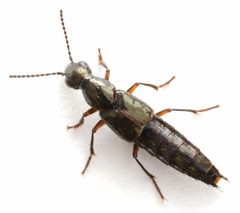
1Paraquedius is a of rove beetles (Staphylinidae) established by Casey in 1915. It has been treated historically as a subgenus of Quedius, and taxonomic sources differ in its current rank (genus versus subgenus). The genus is part of the diverse tribe Staphylinini, one of the largest lineages of rove beetles. Records in iNaturalist are sparse, with only six observations documented.
Pronunciation
How to pronounce Paraquedius: //ˌpærəˈkwiːdiʊs//
These audio files are automatically generated. While they are not always 100% accurate, they are a good starting point.
Identification
Distinguishing Paraquedius from Quedius sensu stricto and related quediine requires examination of subtle morphological characters, particularly in the male genitalia and details of the . External characters such as body proportions, punctation patterns on the , and the structure of the tarsal segments may provide supporting evidence. Accurate identification to genus level generally requires knowledge and reference to original taxonomic descriptions.
Images
Distribution
Documented occurrences are limited based on available sources. The sparse iNaturalist records (six observations) suggest a restricted or under-sampled distribution, though precise geographic range is not well established in the provided sources.
Similar Taxa
- QuediusParaquedius has been historically classified as a subgenus of Quedius, and the two share general body plan and preferences. Separation requires detailed morphological examination.
- Other Quediina generaMembers of the subtribe Quediina share similar overall as predatory rove beetles. Paraquedius is distinguished by subtle genitalic and external characters that require identification.